Introduction
The EU Packaging and Packaging Waste Regulation, known widely as PPWR, entered into force in December 2023 and sets binding, Europe-wide rules to cut packaging waste, boost circularity, and phase out unnecessary packaging.
For cosmetics brands selling into the European market, this is far more than another compliance update. Cosmetics rely heavily on layered packaging: primary jars, tubes, pumps, secondary gift boxes, outer shipping cartons, sample sachets and luxury presentation sets.
Every single component will be scrutinised under the new regime. Failure to comply can lead to market bans, product recalls, fines and reputational damage. This article breaks down the key obligations, deadlines and practical steps cosmetics businesses need to take.
1. Core Objectives of PPWR
PPWR replaces the older Packaging and Packaging Waste Directive and shifts the EU framework from voluntary recycling targets to legally mandatory design and waste rules. Its four central pillars are:
- Reduce the total volume of packaging placed on the EU market;
- Ensure all packaging is recyclable or reusable by defined deadlines;
- Ban or restrict unnecessary and problematic packaging;
- Establish harmonised digital labelling and waste tracking across member states.
Unlike many sector-neutral environmental rules, PPWR includes provisions explicitly targeting cosmetic, perfume and personal-care packaging, especially overpackaging, single-use decorative packaging and hard-to-recycle composite materials common in luxury beauty.
2. Definitions That Matter for Cosmetics Brands
It is critical to correctly classify each packaging component, because different categories carry distinct obligations.
- Primary packaging: Directly contains the cosmetic product, e.g. cream jars, serum bottles, lipstick tubes.
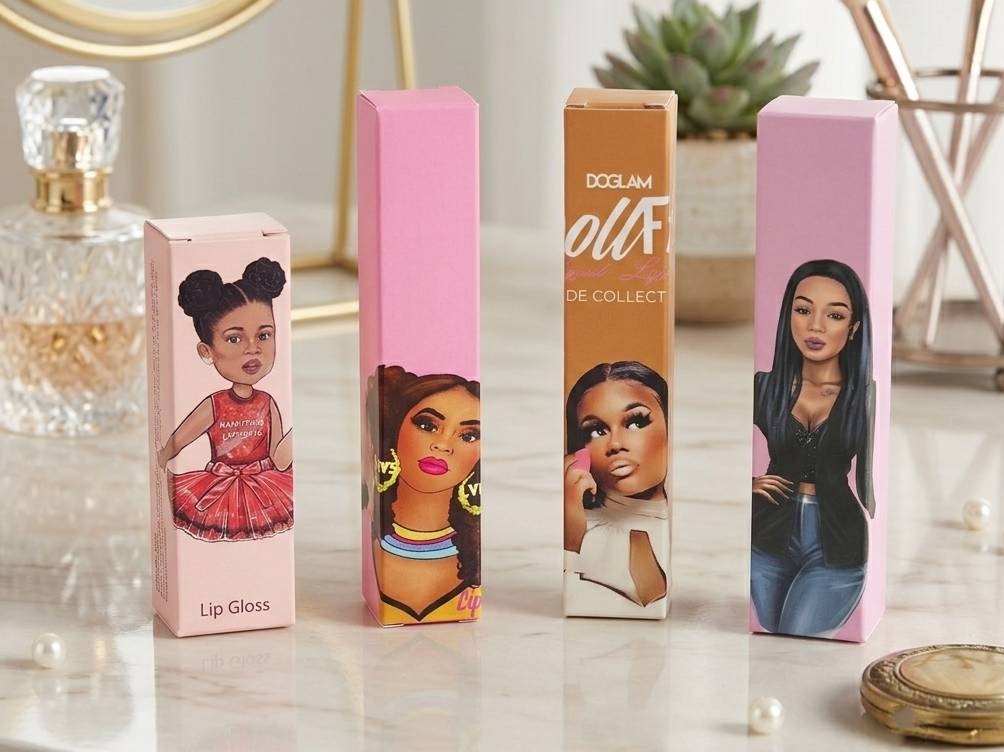
- Secondary packaging: Retail packaging that is not essential to hold the product, such as printed gift boxes, magnetic closure boxes for perfumes. This is the highest-risk category for cosmetics, as regulators target luxury overpackaging.
- Tertiary packaging: Transport and shipping packaging used to protect batches during logistics, such as outer cartons, stretch wrap and pallets.
- Reusable packaging: Designed to be refilled, returned and circulated multiple times within a defined system. Refillable cosmetic bottles fall into this group.
- Composite packaging: Packaging made of multiple inseparable materials, for example plastic laminated aluminium sachets for masks. Many composites struggle to meet recyclability criteria.
3. Key Mandates Affecting Cosmetics
3.1 Ban on Unnecessary Packaging
From 2030, unnecessary packaging will be prohibited. For cosmetics, this includes decorative outer boxes that add no protective function, individual wrapping for samples when not required for hygiene, decorative plastic inserts and empty “presentation boxes” sold alongside perfumes. Limited exceptions exist for hygiene protection, product stability and anti-tampering requirements, which brands must document clearly.
3.2 Recyclability Targets and Design for Recycling
All packaging placed on the EU market must be designed for recyclability. By 2030, a very large share must meet harmonised recyclability standards. For cosmetics, this means moving away from multi-layer, glued, pigment-heavy or metallised packaging that disrupts sorting facilities. If you use coloured glass, coated plastic or mixed material closures, you will need third-party recyclability verification.
3.3 Reuse and Refill Obligations
PPWR pushes strongly for refill and reuse schemes. Cosmetics brands selling creams, serums and fragrances are encouraged to introduce refill stations, refill pouches and return loops. In the coming years, certain categories will face mandatory reuse targets. Brands choosing refill models must also ensure refill packaging maintains product safety, microbial stability and shelf life.
3.4 Digital Passport for Packaging
The Packaging Digital Passport (PDP) will become a cornerstone. It stores material composition, recyclability information, reuse instructions and waste handling data. Consumers, recyclers and authorities can access it via QR codes or digital identifiers. Luxury cosmetics, which often combine many materials, will need highly detailed documentation for every SKU.
3.5 Harmonised Marking and Labelling
National waste labels will gradually be replaced by a single EU marking system. Brands must show correct sorting instructions and avoid misleading “recyclable” or “eco-friendly” claims unless backed by verified evidence. Greenwashing penalties under PPWR are severe.
4. Critical Timelines for Cosmetics Sellers
- 2023: PPWR enters into force; the legislative text is finalised.
- 2026–2027: First sets of implementing acts, harmonised testing methods and digital passport specifications roll out. Brands should complete packaging audits by this stage.
- 2030: Major bans on unnecessary packaging apply; high recyclability targets kick in. Many decorative cosmetic boxes will no longer be permitted.
- 2035: Near-full recyclability requirement for nearly all packaging on the EU market.
- Ongoing: Extended Producer Responsibility (EPR) obligations remain active; brands must register in relevant member states and pay EPR fees.
Note: EPR is not new, but PPWR harmonises reporting requirements and tightens enforcement. If you sell cosmetics in Germany, France, Spain or Italy, your existing EPR registrations will need updates.
5. Unique Challenges for Cosmetics
Cosmetics face harder trade-offs than many other consumer goods. First, hygiene and preservation needs often restrict packaging redesign. Many formulas require airless pumps, light-blocking containers and tamper-evident seals. These functional components can reduce recyclability. Second, branding relies heavily on tactile, premium packaging. Perfume houses and luxury beauty brands traditionally use heavy glass, metallised finishes and elaborate gift boxes.
Under PPWR, “premium look” alone will not justify extra packaging. Third, samples and travel sizes represent a large portion of marketing. Single-use sachets and miniature sets are under close scrutiny. Brands will need to rethink sampling strategies: refill testers, in-store demonstrations or digital sampling promotions. Fourth, cosmetic packaging frequently mixes plastic, rubber, metal and glass in one closure. Composite multi-material parts are one of the biggest bottlenecks for compliance.
6. Practical Compliance Roadmap
Step 1: Full packaging audit
List every single packaging item for each cosmetic SKU. Record materials, weight, function, whether it is primary, secondary or tertiary, and whether it is composite. Flag items that serve only decorative purposes.
Step 2: Prioritise redesign
Start with high-risk secondary packaging first. Replace rigid decorative boxes with minimalist paper solutions where hygiene allows. Test refillable systems for best-selling creams and fragrances. Choose mono-material packaging wherever possible.
Step 3: Secure documentation and verification
Source third-party recyclability testing reports. Prepare technical files explaining why certain packaging is necessary for product safety. Keep records ready for digital passport deployment.
Step 4: Update supply chains
Communicate requirements with packaging suppliers. Confirm they can deliver materials compatible with EU recyclability standards and provide material declarations.
Step 5: Revise marketing copy
Remove unsubstantiated environmental claims. Prepare clear sorting instructions for end consumers. Adjust sampling and gift-set strategies ahead of the 2030 bans.
Step 6: Maintain EPR registration
Track country-specific deadlines for EPR declarations and fees. Appoint an EU responsible person if you do not have a local entity.
7. Common Misconceptions
- ❌ Misconception: Only luxury beauty brands are affected.
- ✅ Fact: Affordable cosmetics, drugstore brands and DTC indie labels are equally bound. Sample sachets and cheap printed boxes also fall under PPWR.
- ❌ Misconception: If packaging is marked “plastic-free”, it automatically complies.
- ✅ Fact: Paper and cardboard packaging must also meet recyclability and waste reduction rules.
- ❌ Misconception: Changes only apply to packaging manufactured after 2030.
- ✅ Fact: Products placed on the EU market after relevant cutoff dates must comply, regardless of when packaging was produced.
- ❌ Misconception: Refillable packaging automatically counts as sustainable.
- ✅ Fact: Refill systems must prove that the reuse loop actually reduces waste and maintains product safety.
8. Business Opportunities
While PPWR creates compliance pressure, it also opens differentiation opportunities for forward-thinking cosmetics brands. Refillable beauty lines, mono-material packaging, transparent material passports and return schemes can become powerful selling points for eco-conscious EU shoppers.
Brands that complete redesign early can avoid supply chain bottlenecks, secure retailer approval and build trust with consumers. Many major EU retailers already start filtering suppliers based on circular packaging credentials.
Conclusion
The EU PPWR represents a permanent shift for cosmetics packaging. It moves sustainability from optional branding into a legal requirement. Brands that treat PPWR merely as a box-ticking exercise risk costly mistakes. Successful players will integrate circular design from the earliest product development phase, audit every packaging component, build reliable supplier documentation, and prepare for digital traceability. For any cosmetics brand exporting or selling direct to consumers inside the EU, PPWR readiness is no longer optional; it is fundamental to long-term market access.
 English
 Français
 Español