Choosing between paper packaging and plastic packaging is an important decision for brands. The material affects product protection, packaging costs, transportation, shelf presentation, and how customers perceive a product. For food businesses, retailers, and consumer goods manufacturers, the right choice should reflect both the product's practical requirements and the brand's market positioning.
Paper packaging is often associated with a natural appearance, printing flexibility, and fiber-based material options. Plastic packaging is widely used for its lightweight construction, moisture resistance, transparency, and flexible structural possibilities. Neither material is automatically better in every situation.
As a custom packaging manufacturer, PackTaki offers different packaging formats, including paper boxes, kraft paper bags, food packaging sleeves, seal bags, and PET boxes. Understanding the differences between these materials helps brands select packaging that meets their product, budget, and customer expectations.
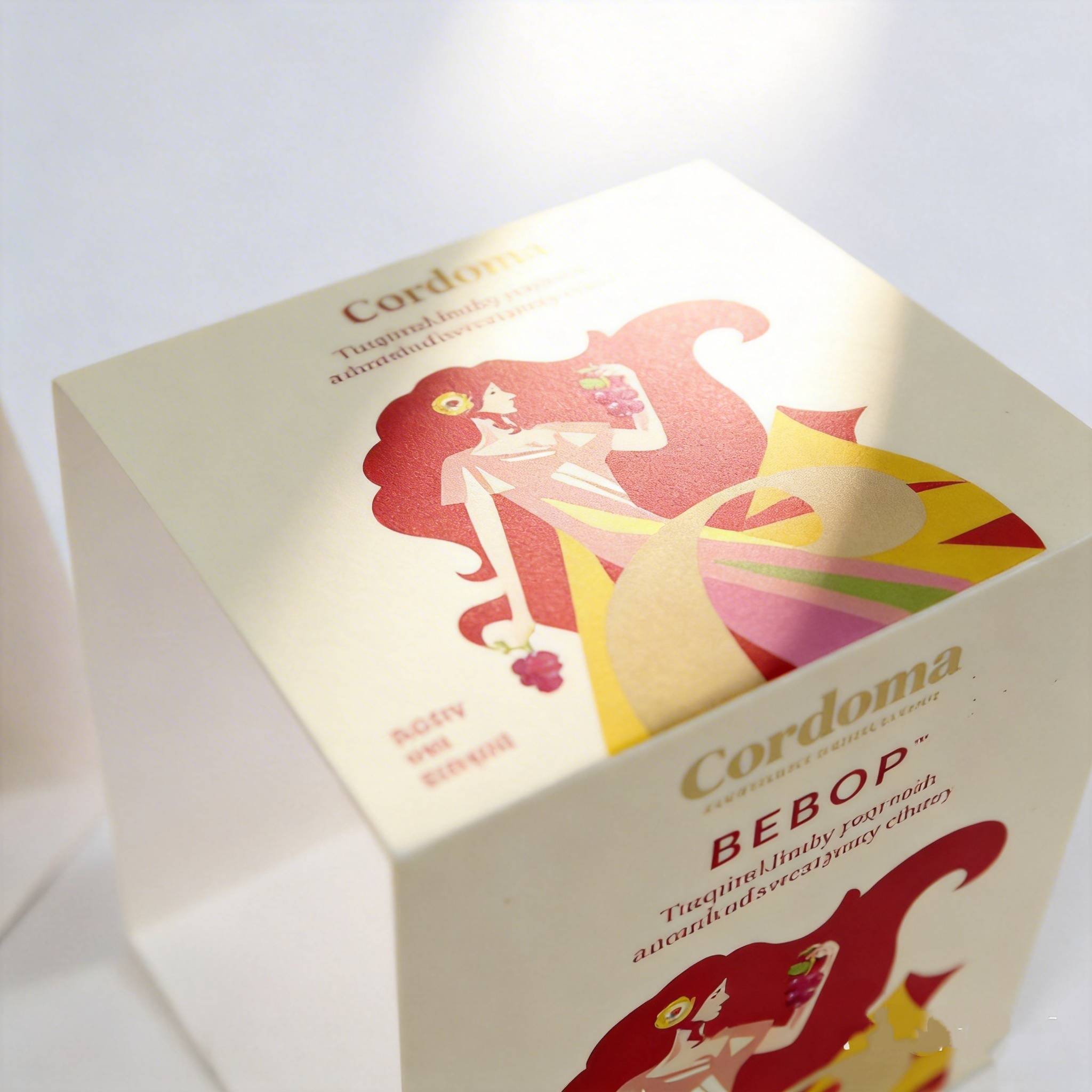
Custom paper packaging with printed brand graphics and a tailored structure.
What Is the Difference Between Paper and Plastic Packaging?
Paper packaging is manufactured using paper, kraft paper, paperboard, or corrugated fiber-based materials. Common formats include folding cartons, rigid boxes, paper bags, food containers, sleeves, and shipping cartons. It is often selected for products that require printed branding, a structured appearance, or a more natural material presentation.
Plastic packaging includes materials such as PET, PP, PE, and multilayer plastic films. These materials can be manufactured into transparent boxes, flexible pouches, resealable bags, containers, and protective packaging. Their properties vary depending on the polymer, thickness, structure, and intended application.
The main difference is not simply that one material is paper and the other is plastic. Their performance depends on the specific material grade, package structure, manufacturing process, and conditions in which the product will be stored and transported.
Paper Packaging vs Plastic Packaging: Key Differences
The following comparison summarizes the characteristics brands should consider when selecting packaging materials.
| Comparison Factor |
Paper Packaging |
Plastic Packaging |
| Material Appearance |
Natural, textured, and printable |
Transparent, glossy, matte, or flexible |
| Weight |
Varies with paper grade and structure |
Often lightweight for equivalent applications |
| Moisture Resistance |
Depends on coatings and material treatment |
Generally good, depending on polymer and structure |
| Product Visibility |
Usually requires a window or open display design |
Transparent options are widely available |
| Structural Protection |
Good for cartons and protective boxes |
Depends on thickness, shape, and polymer |
| Brand Printing |
Suitable for detailed graphics and finishes |
Supports different printing and labeling methods |
| End-of-Life Options |
Recycling or composting may be possible depending on composition and local facilities |
Recycling depends on resin type, design, and local collection systems |
This comparison provides a general overview. Actual performance should always be confirmed using the specifications of the selected material and finished packaging structure.
Cost Comparison: Is Paper or Plastic Packaging More Affordable?
Packaging cost is one of the first factors procurement teams evaluate. However, it is difficult to determine whether paper or plastic is cheaper without knowing the package dimensions, material specifications, production quantity, printing requirements, and manufacturing method.
Plastic packaging can be cost-effective for products requiring lightweight structures, flexible pouches, or transparent display boxes. Flexible packaging may also reduce shipping volume compared with some rigid alternatives.
Paper packaging can be economical for cartons, sleeves, bags, and products that need a printed outer layer. Standardized box structures and optimized paper weights can help brands manage material consumption and production costs.
Brands should compare quotations using the same product dimensions, quantity, printing specifications, and required performance. A lower price per piece does not necessarily mean a lower total cost if the packaging requires additional protective materials or creates higher freight expenses.
For food businesses comparing different packaging formats, custom paper packaging sleeves can be a practical option when an existing container already provides sufficient protection. They add brand visibility without requiring a completely new outer package.
Product Protection: Which Material Performs Better?
Product protection should be one of the main considerations when selecting packaging. Different products are exposed to different risks, including moisture, oxygen, light, grease, impact, pressure, and contamination.
Plastic packaging is frequently selected when moisture resistance, transparency, lightweight construction, or flexible sealing is required. Certain plastic film structures can also provide barrier properties against oxygen and light, depending on the materials and layer configuration.
Paper packaging offers structural protection in the form of cartons, sleeves, and corrugated boxes. However, untreated paper can absorb moisture and may require coatings, laminations, or additional protective layers for certain applications.
For food packaging, the material should be selected according to the product's storage conditions and shelf-life requirements. A dry bakery product, a frozen food item, and a bag of roasted nuts will not necessarily require the same packaging structure.
For example, custom food seal bags can be designed with resealable closures and suitable barrier materials for snacks, nuts, dried fruit, coffee, and other products. The correct structure depends on the required level of freshness protection.
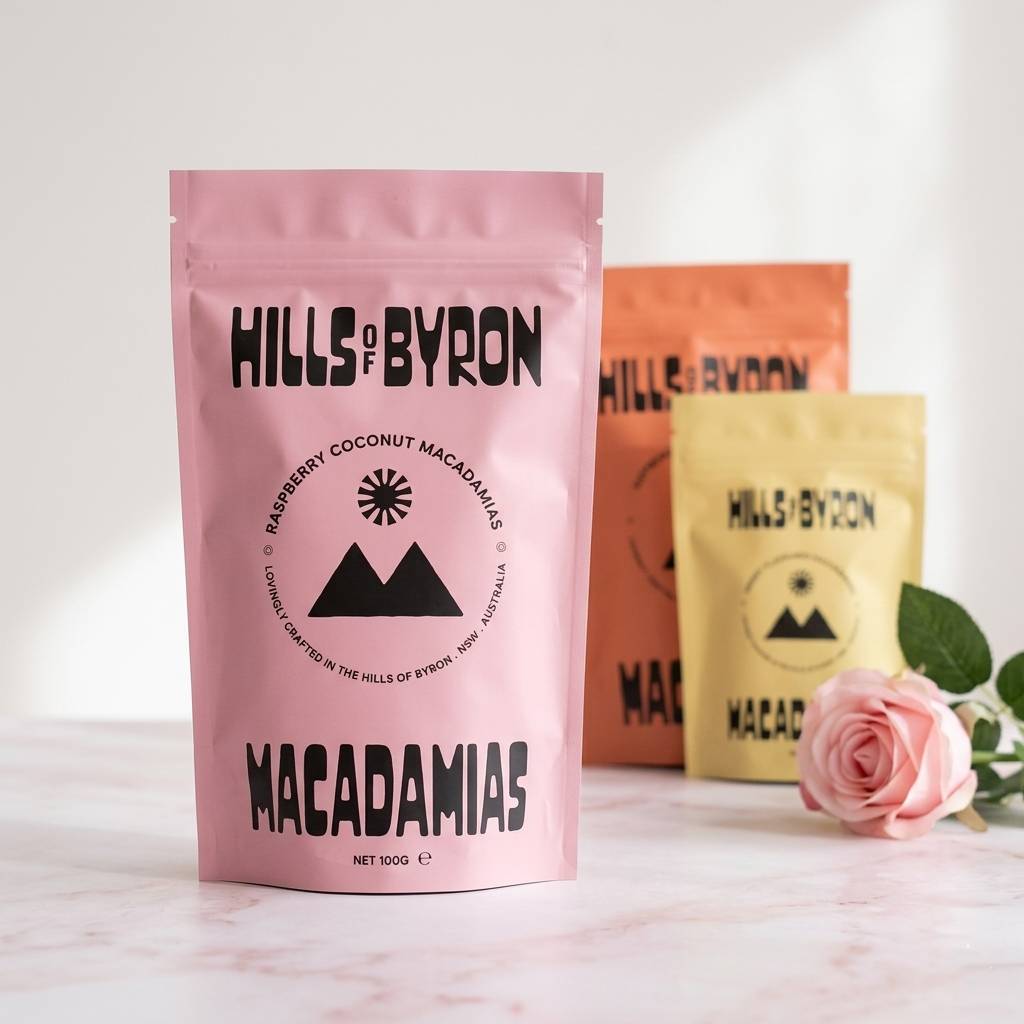
Flexible plastic food pouches designed for resealable snack packaging.
Branding and Visual Appeal: Paper vs Plastic
Packaging is often the first physical interaction customers have with a product. Its appearance influences shelf recognition, perceived product quality, and the overall shopping experience.
Paper packaging is a popular choice for brands that want a natural, minimalist, handmade, or premium appearance. Kraft paper, coated paperboard, and specialty paper can support different visual styles. Printing, embossing, debossing, foil stamping, and surface finishes provide additional opportunities for brand differentiation.
Plastic packaging offers a different set of branding advantages. Clear PET boxes allow customers to see the product before purchasing, which is particularly useful for confectionery, bakery products, gift sets, and other items where appearance matters.
Plastic films and containers can also support custom printing, colored materials, labels, and different surface finishes. Brands can use these options to create a recognizable appearance while retaining the practical advantages of plastic packaging.
For products that benefit from transparency, custom clear PET packaging boxes provide product visibility while supporting customized sizes and brand printing.
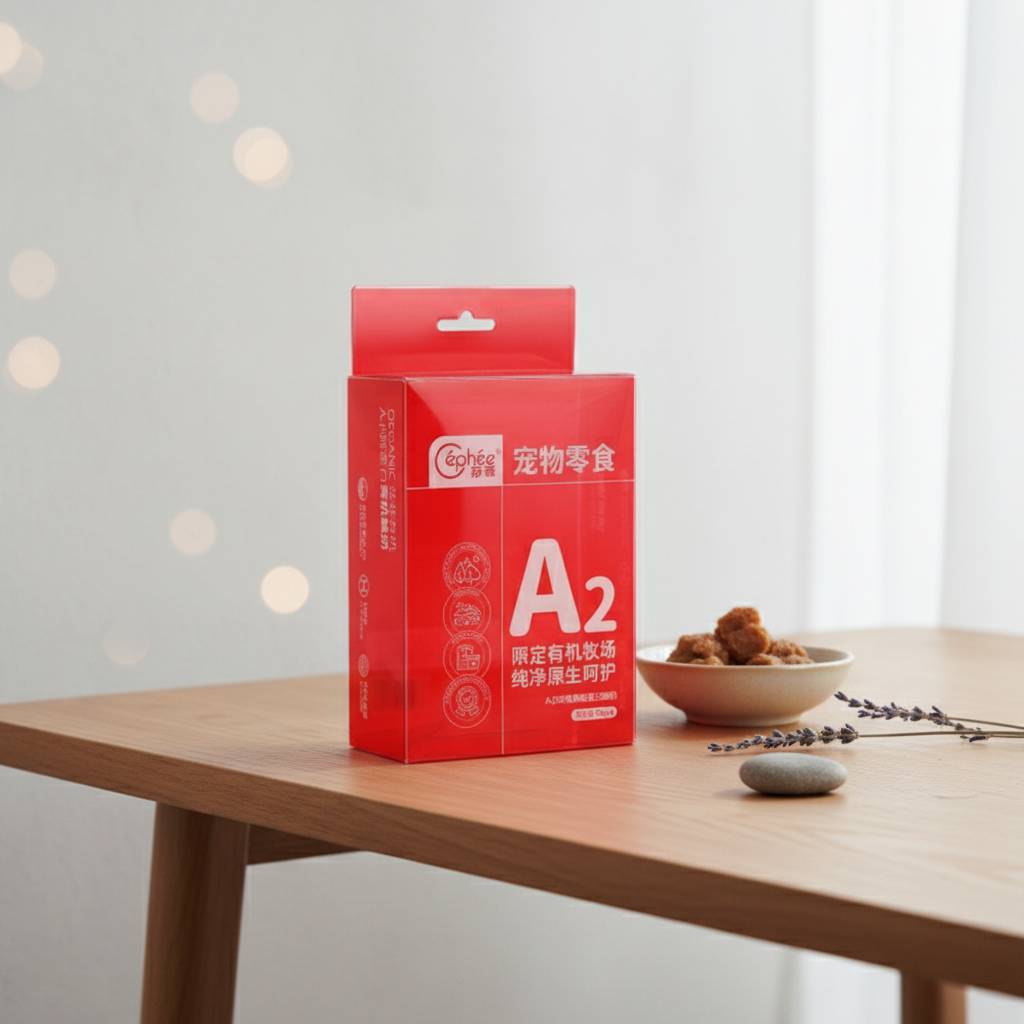
Transparent PET packaging with custom printed brand graphics.
Sustainability: Is Paper Packaging More Eco-Friendly?
Paper packaging is often perceived as a more sustainable option because paper is a fiber-based material and many paper products can enter established recycling systems. Kraft paper and recycled paperboard are commonly considered by brands looking to reduce reliance on conventional plastic packaging.
However, paper packaging is not automatically environmentally friendly in every situation. The environmental impact depends on the origin of the fiber, manufacturing processes, coatings, inks, transportation, and whether the finished package can be collected and recycled.
Plastic packaging also has environmental advantages in certain applications. Its lightweight structure can reduce transportation weight, and some plastic materials, such as PET, have established recycling streams in many markets. However, actual recyclability depends on collection infrastructure, material identification, local regulations, and packaging design.
Brands should also consider the risk of food waste. If a packaging material cannot adequately protect a product, spoilage and discarded food may offset some of the environmental benefits of the packaging choice.
A more responsible packaging strategy considers the complete product lifecycle rather than relying on labels such as recyclable, biodegradable, or eco-friendly without checking the actual material composition and disposal conditions.
For retail brands seeking fiber-based options, custom kraft paper bags can provide a practical solution for shopping, takeaway, bakery, and gift packaging. Buyers should confirm the paper grade, recycled content, printing materials, and local recycling requirements when evaluating environmental claims.
Which Industries Benefit Most from Paper Packaging?
Paper packaging is suitable for many industries where branding, structural design, and retail presentation are important.
- Bakery and confectionery: Paperboard boxes, sleeves, and food containers can provide a printable surface for cakes, pastries, chocolates, and baked goods. Food-contact suitability and grease resistance should be verified.
- Retail and fashion: Kraft paper bags and custom shopping bags help create a consistent brand experience at the point of sale.
- Gift and premium products: Printed paper boxes and specialty finishes can improve product presentation and gifting experiences.
- Fresh produce: Paper cartons and sleeves can support product identification, retail display, and selected protective applications.
- Takeaway food: Food-grade paper boxes and bags can be suitable for specific takeaway products when grease resistance, structural strength, and food-contact requirements are properly addressed.
For these applications, paper packaging can help brands create a consistent visual identity while meeting practical packaging requirements.
Which Industries Benefit Most from Plastic Packaging?
Plastic packaging is particularly useful when product visibility, moisture protection, lightweight construction, or flexible sealing is important.
- Snack and food brands: Flexible pouches can provide resealable closures and customized barrier structures for dry foods and snacks.
- Confectionery: Transparent PET boxes allow chocolates, candies, and other products to remain visible on retail shelves.
- Fresh food retailers: Suitable plastic containers can help display and protect selected fruit, vegetables, salads, and prepared foods.
- Cosmetics and personal care: Transparent or colored plastic packaging supports product visibility and customized retail presentation.
- E-commerce: Lightweight flexible plastic packaging can be useful for selected products that require moisture or dust protection during delivery.
The material should always be selected according to the product's physical characteristics, required protection, and applicable packaging regulations.
Can Brands Combine Paper and Plastic Packaging?
Yes. Paper and plastic do not always need to be treated as competing materials. In many applications, combining them can provide a better balance between protection, presentation, and material usage.
For example, a food brand may use a plastic container to protect and display its product while adding a printed paper sleeve for branding and product information. This approach allows the two materials to perform different functions.
Another example is a paperboard outer box combined with an inner protective plastic component. This structure may be suitable for products that need a strong exterior presentation and additional internal protection.
When designing a mixed-material package, brands should consider how easily the components can be separated after use. If recycling is an important objective, the combination should be evaluated against the sorting and recycling facilities available in the target market.
The goal is not to use more materials, but to assign each material a clear function and avoid unnecessary packaging layers.
How to Choose the Right Packaging Material for Your Brand
Before deciding between paper and plastic packaging, procurement teams should evaluate the product, market, and distribution requirements together.
The following questions can help narrow down the options:
- What are you packaging? Identify whether the product is food, fresh produce, cosmetics, clothing, or another consumer good.
- What protection does it need? Consider moisture, oxygen, light, grease, impact, and storage conditions.
- Does product visibility matter? Transparent plastic or a paper box with a suitable window may be more appropriate.
- What brand image do you want to communicate? Consider whether a natural paper texture, premium printed carton, or transparent display is more suitable.
- What is your packaging budget? Compare material, printing, production, storage, and shipping expenses.
- What are the requirements in your target market? Check food-contact regulations, packaging restrictions, labeling requirements, and recycling rules.
For brands that have not finalized a material choice, it is useful to request samples and compare the finished packaging under actual storage, filling, and transportation conditions. This helps prevent problems that may not be obvious from a digital design or material description.
Why Work with a Custom Packaging Manufacturer?
Selecting the right packaging material is only one part of the process. Package dimensions, printing, finishing, structural design, and production consistency also influence the final result.
A custom packaging manufacturer can help brands compare available materials and translate product requirements into practical packaging specifications. This is particularly useful for businesses that need different packaging formats for several product categories.
PackTaki offers customized packaging solutions covering paper boxes, kraft paper bags, food packaging sleeves, plastic seal bags, and PET packaging boxes. Brands can explore different structures, materials, sizes, and printing options according to their products and sales requirements.
When requesting a quotation, provide the product dimensions, expected quantity, preferred material, artwork, application, and shipping destination. If you are unsure which material is suitable, share the product details and ask the manufacturer to recommend options for comparison.
Frequently Asked Questions About Paper and Plastic Packaging
Is paper packaging better than plastic packaging?
Paper packaging is often suitable for cartons, bags, sleeves, and retail products that need a printable surface or fiber-based material. Plastic packaging is often better for applications requiring transparency, moisture resistance, flexible sealing, or lightweight construction. The better choice depends on product requirements.
Is paper packaging cheaper than plastic packaging?
There is no universal cost winner. The final price depends on material grade, packaging dimensions, structure, printing, production quantity, and transportation. Brands should compare quotations using equivalent packaging specifications.
Which packaging material is better for food products?
Paper is suitable for selected bakery, takeaway, and dry food applications when the structure and food-contact properties meet the requirements. Plastic is often used for flexible pouches, transparent food containers, and products requiring moisture or oxygen barriers. The final choice depends on the food type and storage conditions.
Is plastic packaging recyclable?
Some plastic packaging, including certain PET formats, can be recycled through suitable collection and processing systems. Actual recyclability depends on resin type, color, labels, coatings, mixed materials, package design, and local recycling infrastructure.
Is kraft paper packaging environmentally friendly?
Kraft paper packaging can be a suitable fiber-based option, particularly when it contains recycled material or comes from responsibly managed sources. Its environmental performance also depends on coatings, printing, production, transportation, and local recycling or composting facilities.
Can paper and plastic be used together in one package?
Yes. Brands can combine paperboard boxes or sleeves with plastic containers or inner protective components. The design should ensure that each material serves a useful function and that the finished package meets product protection and disposal requirements.
How should a brand choose between paper and PET packaging?
Choose paper when printed branding, a structured carton, or a fiber-based appearance is a priority. Consider PET when product visibility, lightweight rigid packaging, or a transparent display is required. Food-contact suitability and recycling options should also be checked.
Need help choosing between paper and plastic packaging?
PackTaki provides customized packaging options for different products and industries. Share your product details, packaging requirements, and target quantity to explore suitable materials and request a quotation.
 English
 Français
 Español