Choosing between a rigid box and a folding carton affects more than the appearance of your packaging. The box structure determines how much protection your product receives, how it is stored and shipped, what it costs to manufacture, and how customers experience your brand.
A rigid box is generally made from thick paperboard and is designed to provide a sturdy, premium presentation. A folding carton is made from thinner paperboard that is printed, die-cut, creased, and folded into shape. It is usually lighter, easier to store flat, and more economical for many retail packaging applications.
Neither option is automatically better. The right choice depends on your product's weight, fragility, sales channel, packaging budget, and brand positioning. This guide compares rigid boxes and folding cartons from a practical purchasing perspective, with examples of custom packaging solutions available from PackTaki.
Quick Answer: Rigid Box vs. Folding Carton
Choose a rigid box when your product needs a sturdy structure, premium gift presentation, or a more substantial unboxing experience. It is commonly used for jewelry, perfume, luxury cosmetics, and corporate gifts.
Choose a folding carton when you need lightweight retail packaging, efficient flat storage, flexible printing, and better cost control for larger production quantities. It is suitable for cosmetics, skincare, personal care, and many consumer products.
Still undecided? Consider the product's protection requirements and total packaging cost, including storage, assembly, and transportation.
What Is a Rigid Box?
A rigid box, also known as a set-up box, is a premium packaging structure made from thick, dense paperboard. Unlike a standard folding carton, it is designed to maintain its shape rather than being folded from a single flat sheet during normal packing.
Most rigid boxes use greyboard as the structural core, which is then wrapped with printed paper, coated paper, specialty paper, or other decorative materials. Depending on the design, the finished box can include a magnetic closure, ribbon, removable lid, drawer structure, or custom internal insert.
Because of its thicker construction, a rigid box offers a more substantial feel and can provide better resistance to compression than a typical folding carton. This makes it particularly suitable for products that require a premium presentation or additional structural support.
Common applications include:
- Luxury cosmetics and skincare gift sets
- Perfume and fragrance packaging
- Jewelry, watches, and accessories
- Corporate gifts and promotional gift sets
- Premium candles and specialty products
For example, a magnetic closure box with a custom insert can keep a perfume bottle or skincare set neatly positioned while creating a more memorable opening experience. PackTaki offers different custom magnetic rigid gift boxes for cosmetics, jewelry, perfume, and other premium products.
What Is a Folding Carton?
A folding carton is a paperboard package produced from a flat sheet of paperboard. The sheet is printed, die-cut, creased, and folded into a box shape. Unlike a traditional rigid box, it is usually supplied flat and assembled when needed.
Folding cartons are widely used in retail because they offer a good balance between appearance, functionality, and production efficiency. They can be customized with different paper weights, printing designs, coatings, and finishing techniques.
Common folding carton structures include:
- Straight tuck-end boxes: Both closure flaps fold in the same direction. Commonly used for cosmetics and personal care products.
- Reverse tuck-end boxes: The top and bottom flaps fold in opposite directions, making them suitable for many lightweight retail products.
- Auto-bottom boxes: Designed for faster bottom assembly and convenient packing operations.
- Sleeve boxes: Use an outer paper sleeve around an inner tray to create a simple but attractive presentation.
A folding carton is particularly useful when a brand needs consistent packaging across multiple product sizes or product variations. It also provides a large printable surface for product information, branding, instructions, and retail graphics.
For beauty and personal care brands, custom cosmetic packaging boxes can be developed with different folding structures, paper materials, and printing finishes to match individual products.
Rigid Box vs. Folding Carton: Key Differences
The main difference between these packaging types is their construction. A rigid box uses a thick structural board to create a sturdy container, while a folding carton uses thinner paperboard that is converted into a box through folding and gluing.
The following comparison summarizes the factors that usually matter most when selecting custom packaging.
| Comparison Factor |
Rigid Box |
Folding Carton |
| Main material |
Thick rigid greyboard with wrapped paper |
Paperboard or coated cardstock |
| Structure |
Sturdy, shape-retaining construction |
Folded and glued structure |
| Protection |
Generally higher compression resistance |
Suitable for lightweight products and secondary packaging |
| Appearance |
Premium and substantial |
Versatile and retail-friendly |
| Storage |
Traditional designs take up more space; collapsible designs can ship flat |
Usually shipped flat |
| Production cost |
Generally higher due to materials and assembly |
Generally more economical for standard structures |
| Assembly |
Often supplied assembled or requires setting up a collapsible design |
Folded and assembled during packing |
| Typical applications |
Jewelry, perfume, gift sets, luxury products |
Cosmetics, skincare, personal care, retail goods |
These are general differences rather than absolute rules. A well-designed folding carton with suitable inserts can protect many products effectively, while a rigid box may still require additional cushioning for fragile items during transportation.
Material and Structural Strength: Which Box Offers Better Protection?
Packaging protection depends on more than the name of the box style. Board thickness, material quality, box dimensions, internal support, closure design, and transportation conditions all influence how well a package protects its contents.
Rigid boxes for products that need a stronger structure
Rigid boxes are commonly manufactured using thick greyboard wrapped with printed paper. Their solid walls help maintain the box shape and provide better resistance to compression than many standard folding cartons.
For example, a premium perfume gift set may contain glass bottles, decorative accessories, and multiple components. A rigid box with a custom-cut insert can help keep these items separated and reduce movement inside the package.
Folding cartons for lightweight retail products
Folding cartons use paperboard that is lighter and easier to convert into different shapes. They are suitable for products such as lipstick, cream tubes, soap, and other consumer goods that do not require a heavy outer structure.
The correct paperboard weight and box dimensions are important. A carton that is too thin may bend or deform during handling, while an appropriately designed structure can provide sufficient support for its intended application.
For products with unusual shapes or specific protection requirements, consider the following:
- Product weight and dimensions
- Whether the product is fragile or easily scratched
- Whether an internal tray, divider, or cushioning insert is required
- How the package will be stacked, stored, and transported
- Whether the box serves as primary packaging or secondary packaging
The best packaging structure is the one that provides adequate protection without adding unnecessary material or cost.
Cost Comparison: Rigid Boxes vs. Folding Cartons
Cost is often one of the biggest factors when choosing packaging for a new product. In general, rigid boxes cost more per unit than standard folding cartons because they use thicker materials and require more complicated production and assembly processes.
Why rigid boxes usually cost more
Rigid box production often involves cutting thick greyboard, wrapping the board with printed paper, applying adhesives, and assembling the final structure. Additional features such as magnetic closures, ribbons, foam inserts, and special finishes can increase the total cost.
Why folding cartons are generally more economical
Folding cartons are produced from flat paperboard sheets using printing, die-cutting, creasing, and gluing processes. Their efficient material use and flat-packed delivery can reduce storage and transportation costs, particularly for larger orders.
However, the final quotation depends on several variables:
- Paperboard type, thickness, and dimensions
- Printing colors and artwork complexity
- Surface finishing and decorative processes
- Box structure and assembly requirements
- Order quantity and customization level
- Packaging, warehousing, and shipping arrangements
For a fair comparison, ask suppliers to quote both options based on the same product dimensions, printing requirements, order quantity, and delivery terms. A lower unit price does not always mean a lower total packaging cost.
For brands purchasing packaging in bulk, folding cartons can offer meaningful savings in storage and logistics. For premium products where presentation is part of the perceived value, the additional investment in a rigid box may be justified.
Storage, Shipping, and Assembly: An Important Difference
Packaging dimensions and shipping volume can have a significant impact on operating costs, especially for brands ordering from overseas manufacturers.
Folding cartons save space before assembly
Because folding cartons are delivered flat, a large quantity can usually be stored in a relatively small space. They can be assembled as needed, which is convenient for manufacturers, distributors, and e-commerce businesses with limited warehouse capacity.
Traditional rigid boxes require more storage space
A fully assembled rigid box occupies more volume than a flat carton of the same finished dimensions. This can increase shipping and warehousing costs when large quantities are transported or stored.
There is an important alternative: collapsible rigid boxes. These retain the appearance and structural characteristics of rigid packaging while allowing certain parts to fold flat before assembly. This helps reduce transportation and storage volume compared with conventional assembled rigid boxes.

Collapsible rigid gift box showing its assembled presentation and flat-packed structure.
PackTaki's collapsible hard cardboard magnetic gift box is an example of this approach. It uses a rigid board construction with a folding design, combining a premium presentation with improved space efficiency.
When comparing packaging quotations, remember to evaluate the complete process: how the boxes are delivered, where they are stored, how they are assembled, and how efficiently they can be packed with the products.
Printing and Customization Options
Both rigid boxes and folding cartons offer extensive customization possibilities. The difference is mainly in how the printing and finishing are applied to their structures.
Rigid box customization
Rigid boxes are often wrapped with printed paper or specialty paper. They can be customized using full-color printing, Pantone colors, matte or glossy lamination, foil stamping, embossing, debossing, and other decorative techniques.
Internal customization is another important advantage. Foam inserts, paperboard trays, dividers, and custom compartments can be designed to hold products securely and improve presentation.
Folding carton customization
Folding cartons offer a large printable surface for product information, branding, illustrations, and promotional graphics. Common options include CMYK printing, Pantone color printing, matte lamination, glossy lamination, spot UV, and foil stamping.
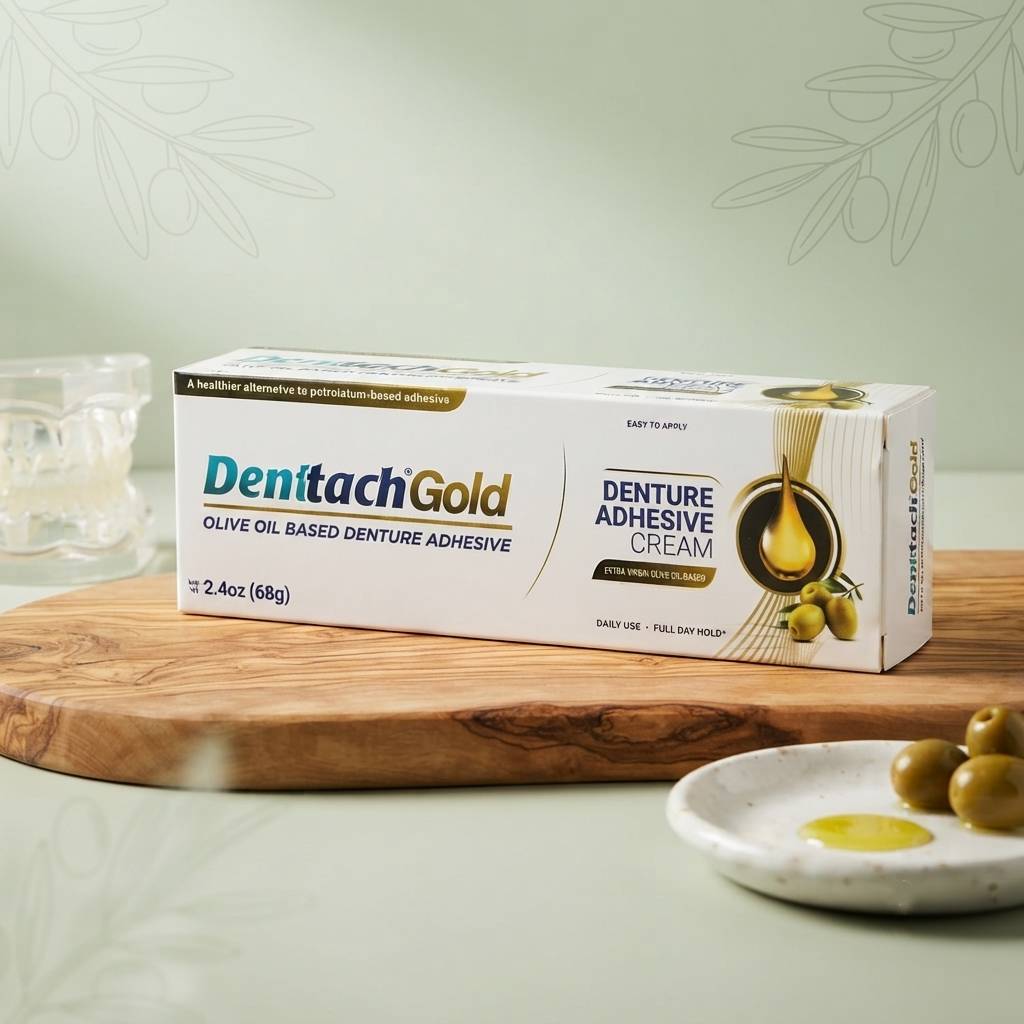
Example of custom printed folding carton packaging for a personal care product.
For example, a personal care brand may use a custom tuck-end carton with product information printed on multiple panels. This gives the brand enough space to communicate product features while keeping the package lightweight and easy to display.
PackTaki's custom printed paperboard tuck-end packaging box supports different printing and finishing options, including matte or glossy lamination, foil stamping, embossing, and spot UV.
Which Packaging Type Is Better for Different Products?
The most practical way to choose between rigid boxes and folding cartons is to consider the product being packaged. Different industries have different requirements for protection, presentation, storage, and retail display.
Cosmetics and skincare
Both packaging types work well in the beauty industry. Folding cartons are commonly used for individual lipstick tubes, skincare creams, serum bottles, and personal care products. Rigid boxes are more suitable for premium gift sets, promotional collections, and multi-product presentation kits.
Perfume and fragrance
Rigid boxes are a strong option for luxury perfume sets, especially when the packaging includes a fitted insert to hold glass bottles in place. Folding cartons can also be used as retail packaging for individual perfume products when the structure and protective requirements are appropriate.
Jewelry and watches
Rigid boxes are generally preferred because they provide a more substantial presentation and can accommodate custom inserts for rings, necklaces, bracelets, and watches. The box itself can also become part of the customer's long-term storage experience.
Soap and personal care products
Folding cartons are often a practical choice for bar soap, lipstick, and other relatively lightweight products. They offer good printing flexibility and can be produced in different dimensions to fit individual product requirements.
Corporate gifts and promotional sets
Rigid boxes are usually more suitable when the packaging needs to create a strong first impression. Magnetic closures, ribbons, custom inserts, and premium finishes can help make the gift presentation more complete.
For a brand selling both individual beauty products and gift collections, using folding cartons for standard retail products and rigid boxes for gift sets can be a practical way to balance packaging cost and brand presentation.
How to Choose the Right Box for Your Packaging Project
Before requesting a quotation, it helps to define your packaging requirements clearly. This makes it easier for a manufacturer to recommend a suitable structure and avoid unnecessary design changes later.
Start with product dimensions and weight.
Measure the product carefully, including its height, width, depth, and any additional components. The packaging should provide a suitable fit without excessive empty space.
Define the required protection level.
Consider whether the product is fragile, heavy, or sensitive to pressure. A rigid box with an insert may be more appropriate for delicate gift sets, while a folding carton may be sufficient for lightweight retail products.
Consider your sales and distribution channels.
Products sold in physical retail stores may need attractive shelf presentation, while e-commerce products may require additional outer shipping protection. In some cases, the product box and shipping carton should be designed as separate packaging layers.
Set a realistic packaging budget.
Consider not only the unit price but also storage space, assembly labor, shipping volume, and possible protective inserts. These factors can change the total cost of ownership.
Request a sample before mass production.
A physical sample allows you to check the dimensions, paper quality, printing, finishing, closure, and overall structure before approving a bulk order. It is especially useful for customized packaging with special inserts or complex folding structures.
Why Work with PackTaki for Custom Rigid Boxes and Folding Cartons?
Choosing the right packaging manufacturer is just as important as selecting the box structure. A good supplier should understand your product requirements, recommend suitable materials, and help coordinate printing, finishing, sampling, and production.
PackTaki provides customized packaging solutions for different industries, including cosmetics, gifts, personal care, food, apparel, and e-commerce. Its product range includes magnetic gift boxes, folding gift boxes, cosmetic paper cartons, mailer boxes, and other custom packaging products.
For projects that require premium presentation, customers can consider rigid structures with custom dimensions, magnetic closures, ribbons, and internal inserts. For standard retail packaging, paperboard folding cartons can be customized with different printing methods, colors, and surface finishes.
The production process also includes pre-production sample approval, printing and color inspection, post-press finishing, die cutting, carton folding and gluing, and final quality checks. These steps help ensure that the finished packaging matches the confirmed design and production requirements.
Whether you need a luxury gift box or a practical retail carton, explore PackTaki's custom packaging solutions to discuss your product dimensions, materials, printing requirements, and order quantity.
Frequently Asked Questions About Rigid Boxes and Folding Cartons
1. What is the main difference between a rigid box and a folding carton?
A rigid box is made from thick paperboard, usually greyboard wrapped with printed paper, to create a sturdy structure. A folding carton is made from thinner paperboard that is printed, die-cut, creased, and folded into shape. Rigid boxes are commonly used for premium packaging, while folding cartons are widely used for lightweight retail products.
2. Are rigid boxes stronger than folding cartons?
Generally, yes. Rigid boxes use thicker structural board and usually offer better resistance to compression and deformation. However, actual protection depends on board quality, box dimensions, internal inserts, and transportation conditions. A properly designed folding carton can still provide sufficient protection for many lightweight products.
3. Are folding cartons cheaper than rigid boxes?
Folding cartons are generally more economical because they use less material, are produced from flat sheets, and require less complicated assembly. Rigid boxes usually cost more because of their thicker board, wrapping process, and additional structural components. The final price depends on customization, order quantity, and finishing requirements.
4. Which packaging type is better for luxury products?
Rigid boxes are often preferred for luxury products because they provide a sturdy structure and a more substantial unboxing experience. They are suitable for perfume, jewelry, premium cosmetics, and gift sets. Folding cartons can also achieve a high-end appearance through quality printing, foil stamping, embossing, and special coatings.
5. Can rigid boxes be shipped flat?
Traditional rigid boxes are usually shipped assembled, which takes up more space. However, collapsible rigid boxes are designed to fold flat before use. They retain a rigid box construction when assembled while helping reduce storage and transportation volume.
6. Can folding cartons be customized with different printing and finishes?
Yes. Folding cartons can support CMYK printing, Pantone colors, matte lamination, glossy lamination, spot UV, foil stamping, embossing, and other finishing options. The available choices depend on the paperboard and production requirements.
7. Which box is better for cosmetic packaging?
Folding cartons are commonly used for individual lipstick, skincare, cream, and personal care products because they are lightweight and cost-effective. Rigid boxes are more suitable for premium cosmetic gift sets, promotional kits, and multi-product collections. The best option depends on the product size, protection requirements, and brand positioning.
8. Can rigid boxes and folding cartons use the same printing finishes?
Many finishing options are available for both structures, including matte or glossy lamination, foil stamping, embossing, and custom printing. However, the production method and suitable materials may differ because rigid boxes use wrapped paper over a thick board, while folding cartons are printed and converted from paperboard sheets.
9. What information should I provide when requesting a custom packaging quotation?
Provide the product dimensions and weight, preferred box structure, material requirements, printing artwork, finishing options, estimated order quantity, and delivery destination. Product samples or reference photos can also help the manufacturer recommend a suitable packaging design.
 English
 Français
 Español