 English
 Français
 Español





PackTaki is a packaging brand to help customer success. With more than 10 years of experience in printing and making, Specialized in producing and designing customized packaging products.
For decades, luxury packaging meant excess—layers of glossy paper, heavy boxes, and wasteful inserts. You might still associate premium goods with that opulent presentation. Yet the landscape has shifted dramatically. Consumers now scrutinize every material choice. They ask tough questions about environmental impact before they even touch the product.
Sustainability has become the entry ticket, not the differentiator. Digital connectivity now creates the memorable moments. Smart labels, augmented reality, and interactive elements transform the unboxing ritual into a personalized journey. A luxury shopping bag made from kraft paper bag materials can feel as exclusive as its plastic-coated predecessor. The future demands both responsibility and engagement. Packaging evolves from a simple container into a communication tool that tells your brand's story.
Key Takeaways
-
Sustainability is now a basic requirement for luxury packaging, not just a trend.
-
Eco-friendly materials like recycled paper and mycelium can feel as premium as traditional options.
-
Digital features such as QR codes and NFC chips turn packaging into an interactive brand experience.
-
Combining sustainability with digital tools builds trust and supports a circular economy.
-
Partnering with experts helps brands implement these trends effectively and stay competitive.
The New Luxury Paradigm: Sustainability First
Sustainability has moved from a niche preference to a core requirement for luxury brands. The 2026 trend of "Substantiated Sustainability" demands proof, not promises. You can no longer claim eco-friendliness without verifiable actions. Modern consumers inspect material origins, production methods, and end-of-life solutions. They expect transparency at every stage.
Half of our survey respondents said they thought sustainable products would account for more than 30% of luxury packaging sales over the next three years.
This statistic reveals a fundamental shift. Your packaging choices now communicate your brand's values. A luxury shopping bag crafted from kraft paper bag materials can deliver the same prestige as traditional options. The material itself signals responsibility.
Redefining Exclusivity Through Responsibility
Exclusivity now means something different. It represents thoughtful design that respects resources. Consider how leading brands have embraced this change:
|
Brand |
Sustainable Packaging Action |
Outcome |
|---|---|---|
|
LVMH (Givenchy) |
Used Ensocoat paperboard for the Gentleman Society fragrance packaging. |
Achieved high standards in appearance, stiffness, and haptic quality, proving that eco-friendly materials can meet luxury expectations. |
|
Yves Rocher |
Redesigned the Elixir Botanique carton, removing two sides and eliminating the need for PP film. |
Reduced carton material by 40%, increased product visibility, and minimized plastic use. |
These examples show that sustainable packaging enhances rather than diminishes the premium experience. Mircea, a design-forward personal care brand, redefines luxury through refillable glass bottles. Their refill system stands firmly against waste. Every touchpoint from formulation to fulfilment feels intentional, turning a daily ritual into a conscious and luxurious experience. Stella McCartney integrates sustainability into the core design process, using progressive, cruelty-free materials selected for circularity.
The Rise of the Conscious Consumer
The conscious consumer now dominates the market. Millennials and Gen Z represent approximately 75% of luxury buyers in 2026. They contribute about 70% of global luxury spending. These younger buyers prioritize authenticity and environmental impact alongside aesthetics. They evaluate your brand's entire footprint before making purchase decisions.
This shift reshapes brand strategies across the industry. You must align your packaging with these evolving consumer expectations. The data supports this approach. 74% of consumers say sustainability in packaging affects their purchase choice. Additionally, 52% are willing to pay more for sustainable packaging. These trends indicate that responsibility drives loyalty and revenue.
Your brand must respond to this reality. Sustainable packaging is no longer optional. It forms the foundation of modern luxury. The brands that embrace this paradigm will lead the market. Those that ignore it risk becoming irrelevant.
Sustainable Luxury Packaging Materials
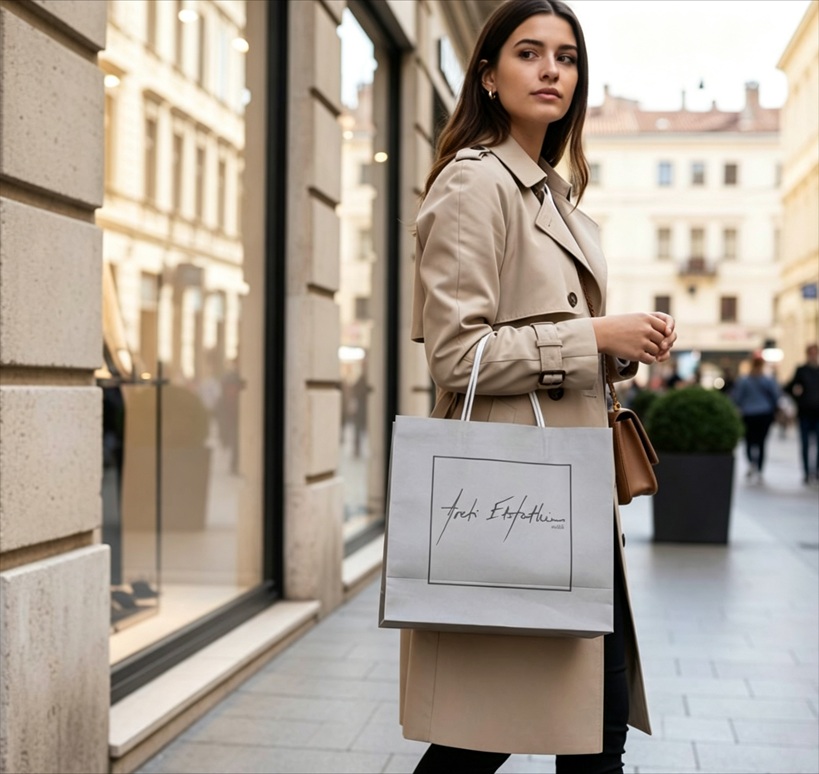
Eco-friendly rigid boxes now define modern premium presentation. You see unbleached, textured materials replacing glossy coated boards. These surfaces signal sustainability as a luxury attribute. The tactile experience of raw paper fibers communicates authenticity before you even open the box. This shift transforms packaging design from mere protection into a statement of values.
The material innovations for 2026 span several exciting categories:
-
Mono-material paper constructions use paper boxes with paper inserts and paper tape, reducing recycling complexity
-
High post-consumer waste corrugated contains 50% or more recycled content, reducing reliance on virgin materials
-
FSC-certified virgin board ensures responsible forest management
-
Compostable bio-based films made from PLA and PHA offer biodegradable alternatives to conventional plastics
-
Molded paper pulp inserts replace foam and plastic, reducing non-biodegradable waste
-
Mushroom-based mycelium packaging is fully biodegradable and compostable
-
Seaweed-based films are renewable and biodegradable, though they carry a 50–100% cost premium
Mycelium packaging deserves special attention. It uses agricultural by-products and requires lower energy than plastic production. A luxury shopping bag crafted from kraft paper bag materials can match the prestige of traditional options while supporting these sustainable goals. The European Green Deal reinforces this direction, aiming to make all packaging recyclable by 2030 and reduce single-use items.
Beyond Recycled: Next-Gen Bioplastics and Mycelium
Bioplastics like PLA demonstrate that aesthetics and sustainability can coexist. These materials come from renewable resources and break down naturally. For skincare packaging, mycelium offers a compelling option. It grows into custom shapes, providing excellent cushioning without petroleum-based foam. The environmental impact drops significantly compared to conventional materials.
Lightweight Luxury and Refill Systems
Lightweight luxury reduces material use without compromising the premium feel. Johnnie Walker Blue Label Ultra exemplifies this trend. Their limited-edition Scotch whisky uses a hand-blown teardrop bottle weighing 180g, less than half the weight of a traditional 700ml glass bottle. This saves 670g of material and cuts carbon emissions by 335g.
Refill systems represent another key packaging design trend. The Boomii Balm Case, a Pentawards 2025 winner, uses recycled aluminum with a reusable stainless-steel refill that snaps into place. This closed-loop design keeps the luxurious outer casing while replacing only the inner component. Sustainable refills reduce waste dramatically.
Plastic-free refills appeal strongly to conscious consumers. These refillable packaging solutions extend product life cycles and support circularity. For beauty packaging, the Heirloom and Husk model works perfectly. You keep a permanent, luxurious outer casing made from durable materials like zamak or polished brass. You replace only the minimal, lightweight inner refill. This approach satisfies both environmental impact concerns and consumer desire for lasting quality.
Digital Integration: The Smart Packaging Revolution
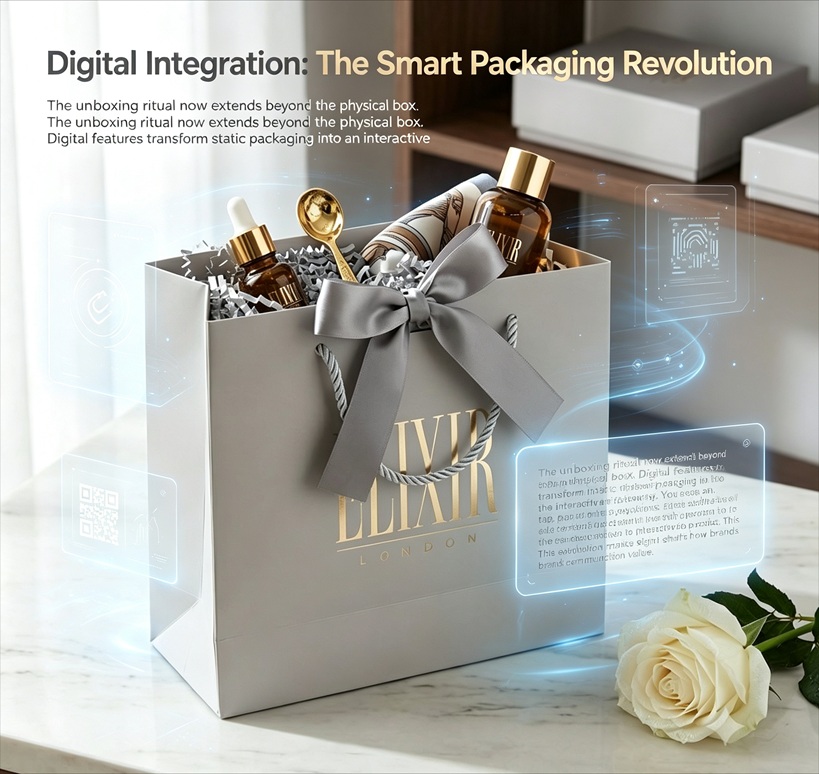
The unboxing ritual now extends beyond the physical box. Digital features transform static packaging into an interactive gateway. You scan, tap, and explore. Each action reveals content that deepens your connection to the product. This evolution marks a significant shift in how brands communicate value.
Interactive Labels and Augmented Reality (AR) Experiences
Augmented reality brings your packaging to life. You scan a QR code with your smartphone. A virtual layer appears over the physical box. You might watch a master perfumer explain the fragrance notes. You could virtually try on accessories before committing to a purchase. These immersive moments turn a simple purchase into a memorable event.
The numbers support this direction. 64% of consumers look for "high-tech" products. 57% actively seek smartphone connectivity. 92% of Gen Z express interest in AR during shopping. These statistics reveal a clear expectation. Your packaging must offer more than protection. It must provide engagement.
"It's no longer just a box, it's a brand experience. In luxury, every surface tells a story. And with today's connected technologies — NFC chips, QR codes, augmented reality — that story can now come to life. Smart packaging isn't a futuristic concept. It's already reshaping the way brands connect with their audiences — turning static objects into living touchpoints for storytelling, education, and emotion."
Consider 19 Crimes wines. Their labels feature QR codes that unlock video stories. Each bottle shares the tale of the criminal featured on its label. This simple addition creates a personal connection. Customers remember the story. They share the experience. They return for more.
Even a luxury shopping bag crafted from kraft paper bag materials can carry digital elements. A discreet QR code printed on the handle leads to exclusive content. This approach maintains the sustainable aesthetic while adding interactive value. The physical and digital worlds merge seamlessly.
NFC Chips and Blockchain for Provenance and Authenticity
Near-field communication (NFC) chips take interactivity further. You tap your smartphone against the packaging. Instant access to verified information appears. Luxury fashion brands weave NFC microchips into labels and shoe soles. Counterfeiters cannot easily replicate these embedded identifiers. You verify authenticity with a single tap. This builds trust in both primary and secondary markets.
The technology extends beyond fashion. NFC-enabled seals track cold chain compliance for food products. They display "fresh until" status. They connect customers to promotional experiences. Dietary and sustainability claims become verifiable at the point of sale.
Blockchain adds another layer of security. Each authentication event logs onto a tamper-proof ledger. Ownership transfers record permanently. You trace the product's complete journey from creation to your hands. This transparency supports sustainability efforts. Blockchain records store material details, recycling options, and repair instructions. Digital product passports emerge from this combination. They contain manufacturing information, warranty terms, and ownership history. These passports support circular economy initiatives while fostering trust.
Gerresheimer partnered with TruTag Technologies to embed invisible microparticles in glass packaging. A smartphone decodes these particles to authenticate luxury cosmetics and fragrances. This invisible layer of security protects both brand reputation and consumer safety.
These digital experiences align with current trends. Personalization becomes possible through connected packaging. You receive tailored content based on your purchase history. The packaging adapts to your preferences. This level of engagement transforms a one-time buyer into a loyal advocate. The luxury packaging of 2026 tells stories, verifies authenticity, and supports sustainability through every digital touchpoint.
The Intersection: Where Sustainability Meets Digital
The most powerful packaging innovations of 2026 combine environmental responsibility with digital connectivity. These two forces reinforce each other. Digital tools verify sustainability claims. Sustainable materials carry digital features. Together, they create a complete ecosystem that serves both the planet and the consumer. This convergence defines the future of luxury packaging.
Digital Passports for Circular Economy
A digital passport acts as a product's permanent record. It stores information about materials, manufacturing, and proper disposal. You scan a QR code or tap an NFC chip to access this data. The passport follows the product through its entire lifecycle. This transparency supports circularity in meaningful ways.
Consider how this works in practice. Your luxury shopping bag crafted from kraft paper bag materials carries a small QR code. Scanning it reveals the bag's origin, the forest where the paper came from, and the recycling instructions. You learn exactly how to dispose of each component. This knowledge encourages proper recycling. It also builds trust in the brand's sustainability claims.
Digital passports also enable secondary markets. A pre-owned luxury handbag with a digital passport retains verifiable authenticity. The new owner sees the complete ownership history. This extends the product's useful life. It keeps items in circulation longer. It reduces the demand for new production. These outcomes align perfectly with circular economy principles.
The environmental impact of this approach is substantial. When consumers understand how to recycle or reuse packaging, they act accordingly. Digital passports remove guesswork. They transform passive recipients into active participants in the sustainability journey. This engagement drives circularity forward.
Personalized Digital Content to Reduce Physical Waste
Digital platforms also eliminate the need for bulky physical inserts. Traditional luxury packaging often includes thick booklets, multiple cards, and excessive tissue paper. These materials add weight and volume. They complicate recycling. They contribute to waste. Digital content replaces them entirely.
You scan your product's code and access usage instructions, ingredient details, and brand storytelling. This content adapts to your preferences. A skincare brand might offer video tutorials based on your skin type. A fragrance house could share the perfumer's creative process. This personalized packaging approach delivers more value than any printed booklet.
The shift toward digital experiences reduces material consumption dramatically. Brands eliminate printed manuals and promotional inserts. They use lighter boxes with fewer components. A luxury shopping bag made from kraft paper bag materials needs no additional printed materials when digital content carries the message. This reduction in physical waste supports sustainability goals without sacrificing the premium feel.
Refillable packaging systems benefit enormously from this digital integration. Your refillable packaging includes a QR code that tracks your usage patterns. The system reminds you when to order a refill. It offers personalized recommendations. This convenience encourages consistent use of sustainable refills. Consumers who might otherwise abandon refill programs stay engaged through digital nudges.
The data from these interactions also informs brand strategy. Companies learn which products customers use most. They identify which sustainability messages resonate. They refine their packaging designs based on real feedback. This continuous improvement loop drives innovation across the industry.
These trends point toward a future where packaging serves multiple purposes simultaneously. It protects the product. It communicates brand values. It connects to digital ecosystems. It supports circularity through verified information. The luxury brands that embrace this integrated approach will define the next era of premium experiences. The consumer benefits from greater transparency and convenience. The planet benefits from reduced waste. Everyone wins when sustainability and digital connectivity work together.
2026 Packaging Design Trends: A Strategic Roadmap
You now understand the landscape. You see the materials, the digital tools, and the consumer expectations. The next step involves implementation. How do you translate these packaging design trends into a practical strategy? You must balance aesthetics, cost, and functionality while navigating supply chain complexity. This roadmap guides you through that process.
Balancing Aesthetics, Cost, and Functionality
Every packaging decision involves trade-offs. You want beautiful presentation. You need cost efficiency. You require functional protection. The key lies in prioritizing features that deliver the most value across all three dimensions. Some materials naturally excel in multiple areas.
|
Packaging Element |
Customer Benefit (Aesthetics) |
Operational Benefit (Cost/Function) |
|---|---|---|
|
FSC-certified paper/paperboard |
Premium, eco-conscious feel |
Cost-effective, recyclable, reduces waste |
|
Recycled materials |
Aligns with sustainability values |
Lower material cost, reduces environmental footprint |
|
Organic cotton dust bags |
Reusable, adds luxury feel |
Extends brand interaction, adds long-term value |
|
Soy-based inks |
Clean, premium look |
Non-toxic, reduces environmental impact |
|
Recyclable rigid boxes |
High-end presentation |
Better product protection, reduces damage costs |
|
Reusable magnetic closure boxes |
Premium unboxing experience |
Extends product life, reduces single-use waste |
|
Minimalist designs |
Sophisticated, uncluttered look |
Reduces material usage, lowers production and shipping costs |
This table reveals an important insight. Many sustainable choices actually reduce costs. Lighter materials lower shipping expenses. Simpler designs cut production time. Recycled inputs cost less than virgin materials. You can achieve luxury without excess.
Budget Constraints Solution: Prioritize features that deliver the most value for both creativity and functionality. Explore cost-effective alternatives or negotiate with suppliers for materials that meet both performance and aesthetic criteria.
Modern consumers expect beautiful packaging to be completely responsible. They demand enhanced visual and tactile influence alongside circularity, minimal ecological influence, and clear transparency. Key expectations include:
-
Preference for refillable, elegant, reusable containers that decrease single-use waste while preserving a premium feel.
-
Demand for resource facts, transparent recycling guidelines, and verifiable claims available through modest on-pack messaging or digital technologies like QR codes.
Your strategy should address both expectations simultaneously. A luxury shopping bag crafted from kraft paper bag materials can carry a QR code linking to full sustainability documentation. This approach satisfies the desire for transparency without cluttering the design. The packaging itself remains elegant and minimal.
Consider your refillable packaging options carefully. Refills reduce material consumption dramatically. They keep the premium outer casing while replacing only the inner component. This model appeals strongly to conscious consumers. You extend the product lifecycle. You reduce waste. You maintain the luxurious experience. The refills themselves can use lighter, simpler materials since they never see the shelf. This dual approach maximizes both sustainability and cost efficiency.
Partnering with Innovators Like PACKTAKI for Seamless Integration
You cannot implement these packaging design trends alone. The complexity of combining sustainable materials with digital technology requires specialized expertise. Experienced partners offer integrated solutions that ensure a cohesive brand experience. They bridge the gap between concept and reality.
Co-development with packaging innovators enables custom solutions that balance sustainability, technical performance, and consumer appeal. You bring your brand vision. They bring technical knowledge. Together, you create packaging that meets every requirement. This collaboration reduces the risk of costly mistakes.
Partnering provides end-to-end solutions from concept to industrialization, reducing time-to-market and complexity. You avoid the fragmented approach of working with multiple vendors. One partner manages the entire process. This streamlined workflow saves time and resources. You launch faster and with greater confidence.
Collaboration allows optimization of barrier properties and material selection, enhancing sustainability through reduced overpackaging. You learn which materials protect your product without excess. You discover alternatives you never considered. The result is packaging that performs better while using fewer resources.
-
Collaborations integrate smart packaging technologies like real-time tracking, improving supply chain transparency and waste reduction.
-
Partnerships enable use of innovative sustainable materials such as plant-based plastics, aligning with circular economy principles.
-
Smart packaging with sensors and digital platforms helps reduce food waste and enhances consumer trust through transparency.
These capabilities extend beyond the packaging itself. Real-time tracking gives you visibility into your supply chain. You identify inefficiencies. You reduce waste at every stage. The data flows back into your strategy, informing future decisions.
The market rewards this approach. 26% of consumers are more likely to showcase eco-friendly packaging online, demonstrating the power of innovative sustainable packaging to drive brand visibility and differentiation. Your packaging becomes a marketing tool. Customers share their unboxing experiences. Your brand reaches new audiences organically.
Eco-friendly packaging reduces environmental impact and conserves natural resources. It can be cost-efficient through lighter materials and optimized logistics, lowering shipping costs. Innovation in packaging, including smart technologies like QR codes, sets brands apart in the market. These advantages compound over time.
A partner like PACKTAKI understands the full spectrum of modern packaging. They know how to combine a luxury shopping bag made from kraft paper bag materials with embedded digital features. They understand the nuances of refillable packaging systems. They stay current with emerging trends and technologies. This expertise protects your investment.
The path forward requires deliberate choices. You must evaluate every material, every digital feature, and every supplier relationship. The brands that succeed will treat packaging as a strategic asset rather than an afterthought. They will invest in partnerships that deliver integrated solutions. They will embrace the packaging innovation that defines 2026.
Your competitors face the same challenges. The difference lies in execution. Those who act decisively, who partner wisely, and who balance all competing demands will lead the market. The opportunity exists now. The question is whether you seize it.
The future of luxury packaging does not require choosing between sustainability and digital connectivity. You must integrate them. This combination creates a holistic brand experience that delivers real value. These trends represent a strategic imperative for luxury brands. Brands that embrace this shift will remain relevant and competitive in 2026 and beyond.
View these trends as an opportunity for innovation. Deeper consumer connection follows naturally. Smart packaging turns every box into a medium for storytelling. Verified sustainability claims build lasting trust. Even a luxury shopping bag crafted from kraft paper bag materials can carry digital packaging features while maintaining sustainable appeal.
Partners like PACKTAKI help you navigate this complex packaging landscape. They combine sustainable materials with digital technology. They turn these trends into a competitive advantage. Your brand can lead the market with the right packaging guidance.
FAQ
How much more does sustainable luxury packaging cost?
Sustainable materials often cost less than traditional options. Lighter packaging reduces shipping expenses. Recycled inputs typically cost less than virgin materials. A luxury shopping bag made from kraft paper bag materials delivers premium appeal without the premium price tag. You can achieve elegance while saving money.
Will eco-friendly packaging protect my product adequately?
Yes. Modern sustainable materials offer excellent protection. Molded paper pulp inserts cushion products as effectively as plastic foam. Mycelium packaging molds to custom shapes for secure fit. These materials meet rigorous performance standards. Your product arrives safely while your brand demonstrates environmental responsibility.
How do digital features work with sustainable materials?
Digital elements integrate seamlessly with eco-friendly packaging. You print QR codes directly onto recycled paper. NFC chips embed discreetly within paperboard layers. A luxury shopping bag crafted from kraft paper bag materials can carry a small code on its handle. The sustainable aesthetic remains intact.
How quickly can I implement these packaging trends?
Most brands transition within one to two production cycles. Start with simple changes like removing plastic inserts. Add QR codes to existing designs. Then explore refill systems and advanced materials. Working with an experienced partner accelerates the process. You launch your new packaging without disrupting operations.