Introduction
In e-commerce packaging, product inner boxes, and medium-to-small outer shipping cartons, B-flute and C-flute are the most common single-wall (3-ply) corrugated materials. Properly choosing the flute type and paper combination not only ensures product safety during transit but also optimizes packaging costs.
1. Key Physical Parameters & Feature Comparison
| Feature |
B-Flute |
C-Flute |
|
Average Thickness
|
2.5 – 3.0 mm |
3.5 – 4.0 mm |
|
Flute Structure
|
Shorter & denser (Height ~2.5mm, ~50 flutes/30cm)
|
Taller & coarser (Height ~3.6mm, ~38 flutes/30cm)
|
|
Flute Take-up Factor
|
Approx. 1.37 (Consumes less medium paper)
|
Approx. 1.47 (Consumes ~7% more medium paper)
|
|
Flat Crush & Printing
|
High surface flatness, superior print quality, high flat crush strength
|
Slight surface waves, lower print resolution than B-flute
|
|
Cushioning & Compression
|
Moderate cushioning, ideal for compact products
|
Better cushioning & puncture resistance, excellent stacking strength
|
2. Recommended Applications & Paper Combination Profiles
The load capacity and burst strength of a box depend on the flute type and the basis weight/quality of the Outer Liner, Fluting Medium, and Inner Liner (higher basis weight and longer fibers yield higher overall strength).
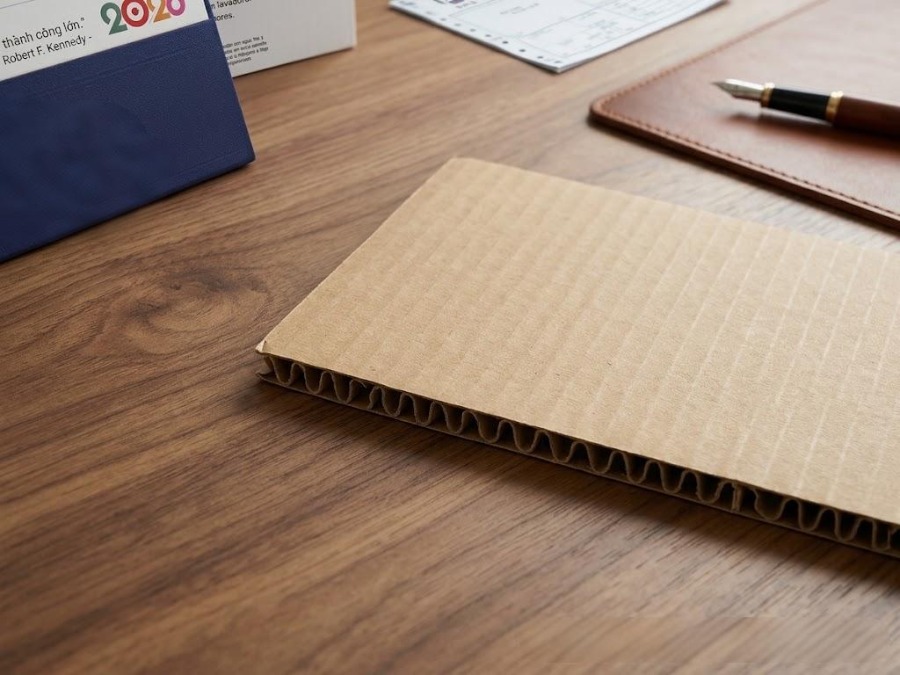
1) B-Flute Box Matching & Applications
1. For light cargo weighing 5 kg or less, standard cardboard boxes typically consist of 120 g kraft linerboard + 90 g fluting + 110 g liner; for boxes with higher burst strength, the composition is 140 g kraft linerboard + 100 g fluting + 120 g liner.
2. Standard export cardboard boxes consist of 175 g kraft linerboard + 120 g fluting + 150 g liner.
3. For heavy goods, the standard configuration is 200 gsm kraft linerboard + 140 gsm fluting + 175 gsm linerboard.
2) C-Flute Box Matching & Applications
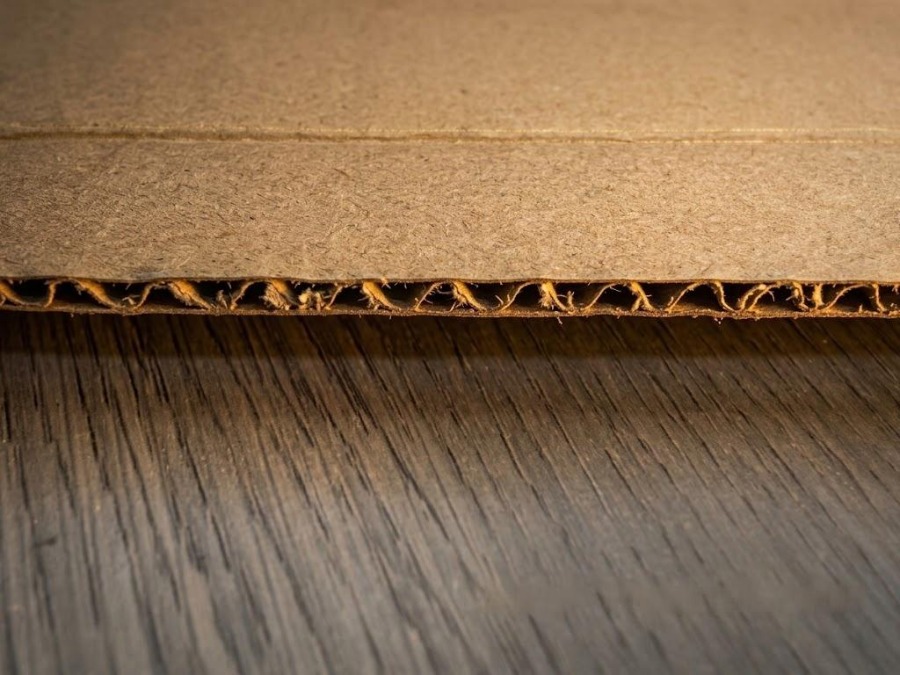
1. For domestic shipments of 5–15 kg, standard cartons typically consist of 120 gsm kraft paperboard + 90 gsm fluting + 110 gsm linerboard; for cartons requiring higher burst strength, the composition is 140 gsm kraft paperboard + 110 gsm fluting + 120 gsm kraft paperboard.
2. For export cartons, the composition is 175 gsm kraft paperboard + 120 gsm fluting + 150 gsm linerboard.
3. Selection Advice & Practical Tips
1.Why C-flute cushions better but uses more raw material?
C-flute’s take-up factor (1.47) is higher than B-flute’s (1.37), meaning C-flute consumes approx. 7% more medium paper for the same board length. The extra thickness absorbs significantly more impact energy.
2.Print Resolution vs. Structural Protection
Choose B-flute if high-resolution graphics, halftone printing, or brand presentation is essential.
Choose C-flute if the products are fragile, heavy, or subject to multi-layer stacking during transit.
3.Moisture Resistance & Edge Crush Strength Enhancement
For humid environments (e.g., cold-chain or rainy seasons), select moisture-resistant linerboard. Using high-strength fluting medium significantly increases Edge Crush Test (ECT) ratings.
 English
 Français
 Español