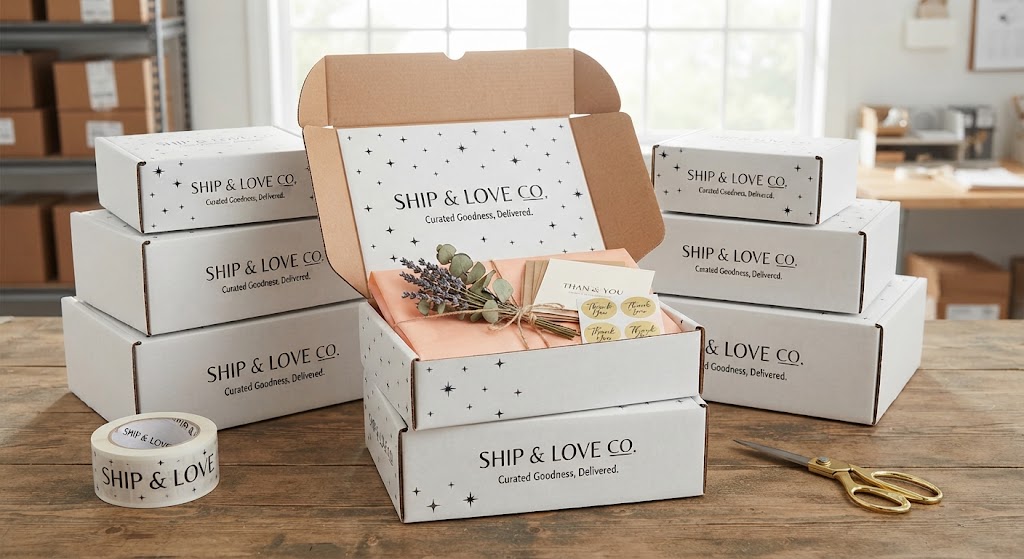
When shipping fragile items—whether delicate electronics, artisanal glassware, or intricate medical components—the outer box is only half the battle. While an aircraft mailer box (often called a tuck-top mailer) provides a sturdy, lightweight exterior, the true secret to zero-damage delivery lies inside: custom packaging inserts.
This guide explores how custom inserts elevate aircraft mailer boxes, comparing materials, design strategies, and sustainability metrics to help independent e-commerce brands optimize their unboxing and protection game.
Why Aircraft Mailer Boxes Need Custom Inserts
When shipping fragile items through e-commerce or retail channels, the outer packaging is only half of the equation. While an aircraft mailer box—frequently recognized by its tuck-top design, double-walled side flaps, and clean aesthetic—provides a remarkably sturdy and lightweight exterior shield, the true guardian of product integrity lies entirely on the inside: custom packaging inserts. Relying solely on a well-designed box without a tailored internal structure leaves fragile merchandise vulnerable to the chaotic realities of modern transit hubs, automated sorting facilities, and last-mile delivery routes.
One of the primary reasons aircraft mailer boxes require custom inserts is the absolute necessity for complete product immobilization and advanced shock absorption. Standard generic void fill, such as loose packing peanuts, crumpled Kraft paper, or basic air pillows, tends to shift, compress, and settle during long-distance transit. When this happens, a fragile product is left rattling around inside the carton, exposed to multi-directional impact damage from drops, sudden vehicle stops, and rough handling.
Custom-fitted inserts—whether engineered from high-density EPE foam, eco-friendly molded pulp, or structured corrugated cardboard—are precision-cut to match the exact silhouette of the item. By locking the product securely in place, these inserts absorb and dissipate kinetic energy upon impact, ensuring that even if the outer aircraft mailer box takes a heavy blow, the shock is prevented from transferring directly to the vulnerable merchandise.
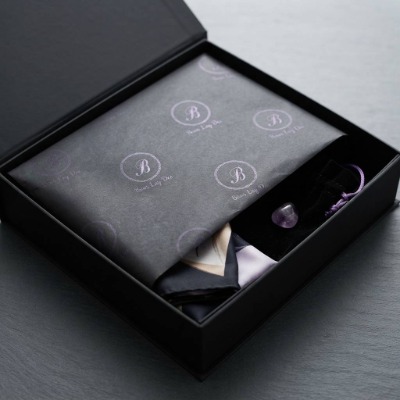
Beyond fundamental physical protection, custom inserts play a pivotal role in elevating the modern unboxing experience, which has become a cornerstone of independent brand loyalty and customer retention. When a customer receives an aircraft mailer box containing delicate items like artisanal ceramics, premium glassware, or sophisticated electronics, the moment they lift the lid dictates their initial perception of brand quality.
A custom-engineered insert presents the product like a piece of fine jewelry or a luxury timepiece, organizing the main device alongside all accompanying accessories, cables, and instruction manuals in dedicated, clean compartments. This meticulous presentation eliminates clutter, prevents components from scratching against each other during transit, and communicates a high level of operational professionalism and care that generic packaging simply cannot replicate.
Furthermore, integrating custom inserts into your aircraft mailer boxes offers significant logistical and financial advantages related to dimensional weight and material efficiency. Using oversized boxes stuffed with loose materials often triggers higher dimensional weight shipping surcharges from major carriers like FedEx, UPS, or DHL. Custom-designed inserts allow brands to utilize the tightest possible outer box dimensions by eliminating wasted airspace, directly reducing unit freight costs and lowering material waste.
Additionally, for brands targeting international markets or adhering to stringent environmental standards—such as the European Union Packaging and Packaging Waste Regulation—swapping out traditional plastic foams for monomaterial corrugated or molded pulp inserts ensures full regulatory compliance, slashes carbon footprints, and protects the business from emerging eco-taxes while appealing directly to eco-conscious consumers.
Comparing Popular Insert Materials
Choosing the right material depends on your product's weight, fragility, budget, and sustainability goals. Below is a detailed breakdown of the industry-standard materials used in custom aircraft mailer boxes.
| Material |
Best Suited For |
Protection Level |
Eco-Friendliness |
Cost Efficiency |
| EPE Foam |
High-end electronics, heavy fragile parts |
Maximum (High shock absorption) |
Low (Recyclable in select facilities) |
Moderate to High |
| Molded Pulp |
Eco-conscious brands, cosmetics, lightweight tech |
High |
Very High (100% recycled paper pulp, biodegradable) |
High initial tooling, low unit cost at scale |
| Corrugated Cardboard |
Subscription boxes, ceramics, lightweight accessories |
Moderate to High |
Very High (Curbside recyclable) |
Extremely Cost-Effective |
| EVA Foam |
Luxury items, jewelry, precision instruments |
Premium |
Low |
High |
If your brand leans into sustainability, pairing a kraft aircraft mailer box with a custom corrugated cardboard or molded pulp insert offers a completely curbside-recyclable packaging solution.
Key Design Strategies for Fragile Product Inserts
Designing an effective insert requires balancing structural engineering with aesthetic appeal. Consider these four dimensions when collaborating with your packaging manufacturer:
-
Multi-Tiered Layering : For products with multiple components (e.g., a main device and accessories), use vertical stacking or dual-layer inserts to separate heavy items from fragile parts.
-
Finger Notches and Pull-Tabs : Ensure customers can easily remove the product or insert trays without tearing the cardboard or struggling with a tight fit.
-
Product Clearance and Tolerances : Leave a 1.5mm to 2mm tolerance buffer around the product silhouette to prevent scratching during insertion and removal, especially with painted or polished finishes.
-
Brand Integration : Emboss, deboss, or print minimal brand logos directly onto pulp or cardboard inserts to maintain a cohesive visual identity upon opening.
Cost-Benefit Analysis: Custom Inserts vs. Standard Void Fill
Many independent brands initially shy away from custom inserts due to perceived upfront tooling costs. However, a holistic cost-benefit analysis often reveals that custom inserts save money in the long run by eliminating hidden logistical expenses.
-
Reduction in Return Rates (Damage-Related): Custom inserts drastically cut down the rate of broken items upon arrival, saving on return shipping, restocking fees, and customer support overheads.
-
Dimensional Weight Optimization: Standard boxes filled with loose peanuts often require a larger box size. Custom inserts allow for a tighter, minimalist box design, reducing volumetric weight charges from carriers like DHL, FedEx, or UPS.
-
Fulfillment Labor Efficiency: Packers spend less time wrestling with messy bubble wrap or peanuts. Pre-formed inserts allow for a standardized, rapid "drop-and-close" packing workflow.
Case Study Application: Unboxing Luxury Tech Accessories
To truly understand how these engineering and design principles come together in a real-world e-commerce setting, consider the packaging journey of a high-end metal mechanical keyboard or a precision drone accessory shipped inside an aircraft mailer box.
For premium tech gadgets where sleek aesthetics and flawless mechanical performance are paramount, the unboxing sequence acts as the very first physical touchpoint between the brand and the consumer. When a customer purchases a luxury peripheral, they expect an unboxing experience that mirrors the quality of the device itself—meaning flimsy cardboard dividers and messy plastic bubble wrap are completely unacceptable.
The packaging architecture begins on the outside with a heavy-duty, crush-resistant E-flute kraft aircraft mailer box, which features a clean exterior layout designed for optimal stackability and a pristine, minimalist aesthetic. Upon lifting the tuck-top lid, the customer is greeted not by random shifting parts, but by a bespoke, dual-layer molded pulp or high-density EVA foam insert tailored precisely to the hardware's exact geometric dimensions.
The top layer cradles the heavy metal keyboard body or main drone controller securely within dedicated, precision-cut cavities, complete with integrated finger recesses that allow for effortless, smooth lifting. Beneath this primary platform, a subterranean secondary layer neatly organizes all accompanying braided USB-C cables, custom keycap pullers, magnetic wrist rests, and user documentation in individual, snug compartments.
The ultimate result of this meticulously engineered packaging system is a completely immobilized product journey that eliminates customer complaints regarding transit scratches, loose toggle switches, or missing minor components. By eliminating internal movement, the brand completely protects its bottom line from damage-related returns and logistical headaches.
More importantly, this high-end presentation instantly reinforces a luxury brand image from the very first second of opening, turning a standard functional delivery into an unforgettable ritual that elevates customer satisfaction and fosters long-term brand loyalty.
Conclusion: Elevating Your Brand from Shipment to Unboxing
In the competitive landscape of independent e-commerce, packaging is no longer just a functional necessity for getting a product from Point A to Point B—it is a powerful tactile extension of your brand identity. While aircraft mailer boxes provide a reliable, sturdy exterior, the integration of custom-engineered inserts transforms a standard shipment into a premium unboxing experience. By securing fragile items against the unpredictable forces of transit, eliminating messy and wasteful void fill, and optimizing dimensional weight, custom inserts deliver a trifecta of protection, cost-efficiency, and aesthetic appeal.
As global regulations shift toward stricter sustainability standards and consumers increasingly demand eco-friendly, zero-waste packaging solutions, transitioning to precision-cut molded pulp or recyclable corrugated inserts is a forward-thinking investment. Ultimately, paying meticulous attention to what lies inside your mailer boxes safeguards your merchandise, minimizes costly returns, and leaves a lasting impression that turns casual buyers into loyal brand advocates.
 English
 Français
 Español