Choosing the right food packaging material is about more than appearance or cost. Packaging must protect food quality, prevent contamination, maintain freshness, and meet the food-contact requirements of the markets where products are sold. At the same time, brands are under increasing pressure to reduce packaging waste and choose materials with a lower environmental impact.
For food manufacturers, retailers, distributors, and private-label brands, the challenge is finding a balance between food safety, product protection, sustainability, and practical packaging performance. Paper, PET, and flexible laminated films each offer different advantages, but no single material is suitable for every food product.
This food packaging guide explains how to choose safe and sustainable packaging materials based on food type, storage conditions, barrier requirements, recyclability, and end-use applications. It also explores practical packaging solutions from PackTaki, including custom food seal bags, PET food containers, and paper sleeves.
Why Food Packaging Material Selection Matters
Food packaging performs several important functions throughout the supply chain. It creates a physical barrier between food and external contaminants, helps preserve product quality, supports transportation and storage, and provides consumers with essential product information.
The right material can help prevent moisture absorption in dry snacks, reduce physical damage to fresh produce, and maintain the presentation of bakery products. For packaged foods with longer distribution periods, barrier performance becomes particularly important because oxygen, moisture, light, and external odors can affect product quality.
Material selection also influences packaging costs, production efficiency, shelf presentation, and environmental impact. A lightweight pouch may reduce transportation weight, while a rigid container may offer better protection for delicate products.
For brands sourcing custom food packaging solutions, these factors should be considered together rather than evaluated separately.
Common Food Packaging Materials and Their Applications
Different food products require different packaging structures. Understanding the characteristics of common materials makes it easier to identify an appropriate solution.
Paper and Paperboard Packaging
Paper and paperboard are widely used in bakery packaging, takeaway food presentation, confectionery boxes, and fresh produce packaging. Their natural appearance makes them attractive to brands looking to communicate a simple, environmentally conscious image.
These materials offer several practical advantages:
- Suitable for printing brand logos, product information, and promotional graphics.
- Available in different thicknesses and paper grades for different structural requirements.
- Can be designed for recycling where local collection and recycling systems accept the material.
- Can be combined with other packaging structures to improve protection and appearance.
However, untreated paper is not automatically suitable for direct food contact. It can absorb moisture and grease, and its performance depends on the paper grade, coatings, adhesives, inks, and other components used in production.
For products that need additional branding without replacing their primary containers, custom paper packaging sleeves offer a practical option. They can wrap around food boxes and containers while providing space for logos, product details, and visual designs.
When paper packaging is intended to touch food directly, buyers should confirm that the complete material structure is suitable for the specific food type and intended conditions of use.

PET Plastic Packaging
Polyethylene terephthalate, commonly known as PET, is a widely used plastic material for food containers, fresh produce packaging, and transparent display boxes.
One of its main advantages is clarity. Transparent PET packaging allows customers to see the food inside without opening the package, making it useful for supermarkets, bakeries, fruit retailers, and prepared food businesses.
Other benefits include:
- Good transparency for product visibility and retail presentation.
- Lightweight construction compared with many rigid packaging alternatives.
- Useful impact resistance for many food packaging applications.
- Potential recyclability through suitable PET collection and recycling systems.
- Flexible design options, including different shapes, sizes, and compartment structures.
For example, fresh berries, sliced fruit, salads, and other refrigerated products can be packaged in appropriately designed PET containers. Secure closures and suitable ventilation features can also help improve handling and product presentation.
PackTaki offers custom PET fruit containers for fresh produce applications, as well as clear PET packaging boxes for food display and retail packaging.
However, PET packaging should not be selected based on transparency alone. Buyers need to verify food-contact suitability, thickness, closure performance, temperature limitations, and whether the container is designed for the intended storage conditions.
Flexible Plastic and Laminated Film Packaging
Flexible packaging is commonly used for snacks, nuts, dried fruits, coffee, powdered foods, and other products that need protection against moisture, oxygen, or external odors.
Unlike a single-layer plastic film, laminated food packaging can combine different material layers to achieve specific performance requirements. Depending on the product, a structure may include PET, PE, PP, or other functional barrier layers.
Typical advantages include:
- Lightweight construction that can reduce transportation and storage requirements.
- Flexible barrier structures for moisture and oxygen control.
- Resealable zipper options for products consumed over multiple occasions.
- Custom printing for brand recognition and product information.
- Different pouch formats, including stand-up and flat-bottom designs.
For example, roasted nuts and sunflower seeds are sensitive to moisture and oxygen exposure. A suitable high-barrier pouch can help preserve crispness and reduce exposure during storage and distribution.
PackTaki's custom food seal bags are designed for applications such as snacks, nuts, and dry food products. Options include customized dimensions, printed designs, zipper closures, and different surface finishes.
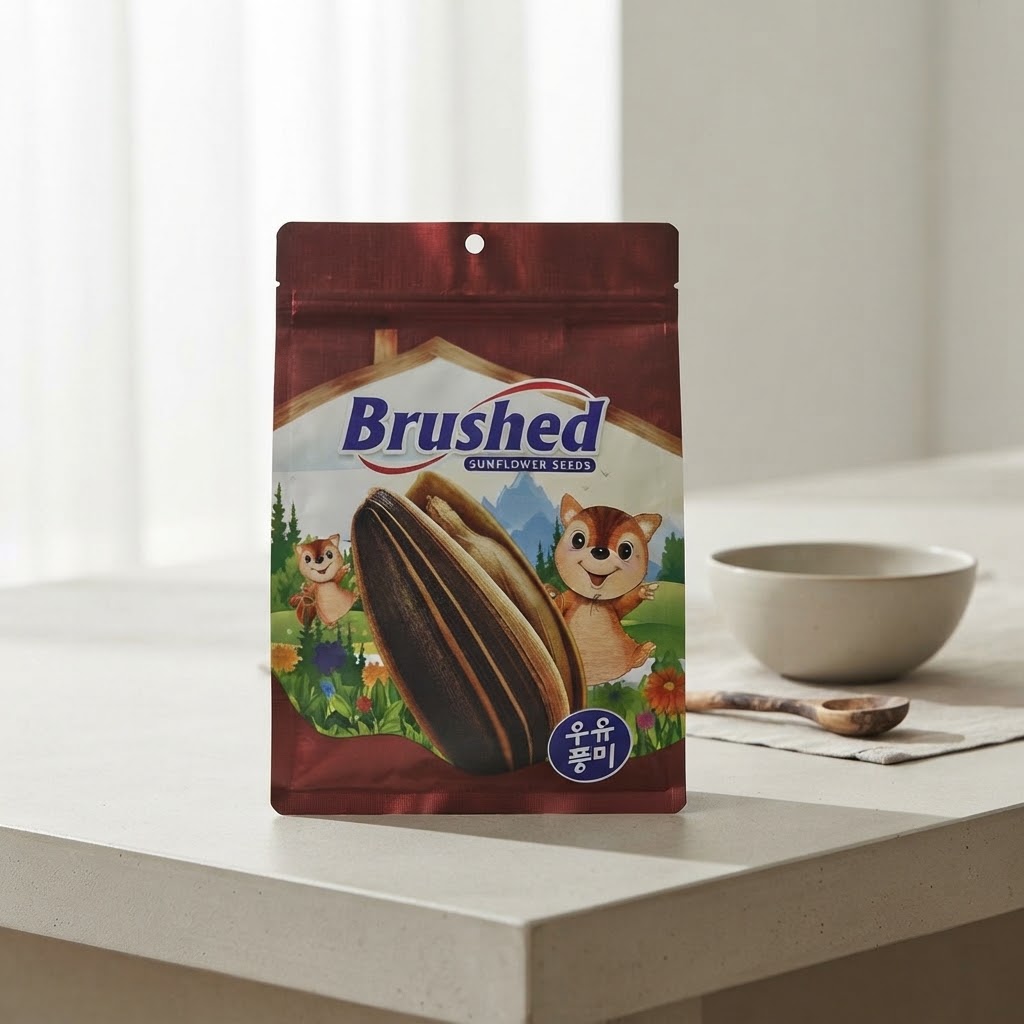
One important consideration is that multilayer packaging can be more difficult to recycle than mono-material structures. Buyers should therefore compare the required barrier performance with the availability of suitable recycling infrastructure before choosing a packaging design.
How to Choose Food-Safe Packaging Materials
A material described as food grade is not automatically suitable for every food product or storage condition. Food-contact safety depends on the complete packaging structure, including the base material, coatings, inks, adhesives, and manufacturing processes.
Before approving a packaging material, buyers should evaluate the following points.
Food-contact compliance: Confirm that the material complies with the regulations applicable to the destination market. For example, US buyers may need to consider relevant FDA food-contact requirements, while products sold in the European Union may need to meet applicable food-contact framework and material-specific requirements.
Migration testing: Packaging components should be evaluated for the potential transfer of substances into food under the intended conditions of use. The appropriate testing conditions depend on the food type, contact time, temperature, and material structure.
Food characteristics: Different foods interact with packaging differently. Acidic foods, oily snacks, dry powders, and high-moisture products may require different material specifications.
Storage and transportation conditions: Consider whether the package will be refrigerated, frozen, exposed to heat, stored for extended periods, or transported over long distances.
Documentation: Request relevant declarations of compliance, material specifications, test reports, and supporting food-contact documentation from the packaging supplier. Documentation should correspond to the actual product and intended application.
For B2B procurement, these checks should take place before mass production. Confirming material suitability at the sampling stage can help reduce compliance risks, production delays, and unnecessary replacement costs.
What Makes Food Packaging Sustainable?
Sustainable food packaging is not simply packaging made from paper or packaging labeled recyclable. Its environmental performance depends on material sourcing, manufacturing, transportation, product protection, actual disposal conditions, and the recycling systems available to consumers.
There are several practical factors to consider.
Material efficiency: Using only the material necessary to protect a product can reduce packaging weight and resource consumption. However, reducing material thickness too much may increase breakage, leakage, or food spoilage.
Recyclability: Packaging should be evaluated according to the recycling infrastructure in its target market. A technically recyclable material may not be widely recycled if local collection or sorting facilities cannot process it.
Recycled content: Where permitted by applicable food-contact regulations, incorporating suitable recycled materials can help reduce demand for virgin resources. The source and processing quality of recycled materials must be carefully assessed.
Renewable resources: Paper-based materials can offer advantages when responsibly sourced and properly managed. Their environmental benefits still depend on production methods, coatings, printing, and end-of-life treatment.
Food waste prevention: Packaging that protects food effectively can reduce spoilage and product loss. This is particularly important for fresh produce and products with limited shelf life.
A sustainable packaging decision should therefore consider the entire product lifecycle rather than focusing on a single material characteristic.
Paper vs. PET vs. Flexible Packaging: Which Is Better?
There is no universally best food packaging material. Each option serves different product requirements, and the final decision should be based on actual performance rather than general environmental claims.
| Material |
Main Advantages |
Common Applications |
Key Considerations |
| Paper and paperboard |
Printability, natural appearance, structural versatility |
Bakery boxes, food sleeves, gift packaging |
Moisture and grease resistance, coatings, food-contact suitability |
| PET |
Transparency, lightweight structure, potential recyclability |
Fruit containers, clear food boxes, produce trays |
Temperature limits, closure design, local recycling access |
| Flexible laminated films |
Barrier protection, lightweight design, resealable options |
Nuts, snacks, dried foods, powdered products |
Layer composition, migration testing, recycling complexity |
For dry snacks that need strong moisture protection, a suitable flexible pouch may be the better choice. For fresh berries that benefit from visibility and a structured container, PET may be more practical. For bakery boxes or branded takeaway packaging, paperboard can offer a good balance of presentation and functionality.
The best option is the one that meets food safety requirements while providing sufficient protection with an appropriate amount of material.
How to Match Packaging Materials to Different Food Products
Choosing packaging by food category is often more effective than choosing it by material name alone.
Snacks, nuts, and dried fruits: These products often need moisture and oxygen protection to maintain their texture, flavor, and freshness. High-barrier flexible pouches with reliable heat seals and optional resealable zippers are worth considering.
Fresh fruits and vegetables: Fresh produce packaging should provide suitable physical protection and, where necessary, ventilation. Transparent PET containers can improve product visibility, while fruit cartons can provide additional structural protection during handling and transportation.
For larger fresh produce shipments and retail applications, custom corrugated fruit cartons can be designed around product dimensions, stacking requirements, and transportation needs.
Bakery products and confectionery: Cakes, cookies, chocolates, and pastries require packaging that protects their shape and appearance. Paperboard sleeves and clear display boxes can help improve retail presentation, while the inner packaging must provide the appropriate food-contact protection.
Prepared foods and takeaway products: These applications require particular attention to temperature resistance, leakage prevention, structural strength, and food-contact suitability. Packaging designed for room-temperature display should not automatically be assumed suitable for hot filling or microwave use.
Matching the packaging structure to the food product helps avoid unnecessary material use and improves the overall customer experience.
What Should Buyers Check Before Ordering Custom Food Packaging?
For businesses purchasing packaging in bulk, a clear specification is essential. Even when two packages look similar, their material structures and performance can be very different.
Before confirming an order, buyers should review the following details:
- Food application: Identify the exact food product and whether the package will have direct food contact.
- Material structure: Confirm the material type, thickness, coatings, laminations, and other components.
- Dimensions and capacity: Make sure the packaging fits the product and filling equipment.
- Barrier requirements: Determine whether protection against moisture, oxygen, light, or grease is necessary.
- Closure and sealing: Check zipper performance, heat-sealing conditions, lid security, and leakage resistance where applicable.
- Printing and finishing: Confirm artwork, color accuracy, ink suitability, and finishing requirements.
- Compliance documents: Request relevant food-contact declarations and test reports for the intended application.
- Environmental requirements: Confirm recyclability claims, recycled content, and disposal guidance for the target market.
- Sampling and quality control: Approve samples before mass production and establish inspection criteria.
For custom packaging projects, it is also helpful to discuss minimum order quantities, production lead times, packaging dimensions, and shipping arrangements before finalizing the purchase.
How PackTaki Supports Custom Food Packaging Projects
Choosing a packaging supplier involves more than comparing product prices. Buyers also need reliable customization, material selection support, production consistency, and clear communication throughout the ordering process.
PackTaki provides customized packaging solutions for food and fresh produce applications, including food seal bags, paper sleeves, PET packaging, and fruit cartons.
With more than ten years of experience in packaging design and manufacturing, PackTaki supports OEM and ODM customization for different product sizes, printing requirements, and packaging styles.
Depending on the selected product, customization options can include:
- Custom dimensions and packaging structures.
- Brand logos and full-color printing.
- Different material and surface finish options.
- Packaging styles suited to different food applications.
- Pre-production samples for design and quality confirmation.
PackTaki also provides packaging design support, quality inspection, and international shipping solutions to support B2B customers throughout the procurement process.
For businesses developing a new food product or updating existing packaging, the first step is to identify the food type, required protection, target market, and expected packaging quantity. These details help determine which packaging structure is most suitable.
Visit PackTaki to explore customized packaging options and discuss your next food packaging project with the team.
Frequently Asked Questions About Food Packaging Materials
What is the safest material for food packaging?
There is no single safest material for every food product. Paper, PET, and flexible plastic packaging can all be suitable when the complete packaging structure meets applicable food-contact requirements and is designed for the intended food, temperature, and storage conditions.
Is paper packaging more sustainable than plastic packaging?
Not in every situation. Paper can offer renewable sourcing and recycling advantages, while certain plastic materials are lightweight and recyclable through established systems. A fair comparison should consider material production, transportation, food protection, and end-of-life disposal.
Is PET packaging safe for direct food contact?
Suitable food-contact PET packaging can be used for direct food contact when its material composition and manufacturing meet the applicable regulations. Buyers should verify the product's food-contact documentation and intended temperature conditions.
Which packaging material is best for snacks and nuts?
High-barrier flexible packaging is often suitable for snacks and nuts because it can help reduce moisture and oxygen exposure. Resealable pouches can also make the products more convenient for consumers after opening.
Can paper packaging be used for oily or wet foods?
It can be used when the paper structure includes an appropriate food-contact-compatible barrier or coating. Standard untreated paper may absorb oil or moisture, so the complete material structure should be evaluated before use.
Are all recyclable food packaging materials environmentally friendly?
No. Recyclability is only one part of environmental performance. Buyers should also consider the actual recycling infrastructure, material sourcing, manufacturing impact, transportation, and whether the packaging effectively prevents food waste.
What documents should buyers request from a food packaging supplier?
Depending on the product and destination market, buyers may request material specifications, food-contact declarations of compliance, relevant migration test reports, and information about inks, adhesives, coatings, and other packaging components.
How can I choose the right custom food packaging for my business?
Start with the food type, product dimensions, storage conditions, shelf-life requirements, and target market. Then compare suitable materials based on food safety, barrier performance, sustainability, appearance, and total packaging cost. Requesting samples before bulk production is also recommended.
 English
 Français
 Español