 English
 Français
 Español



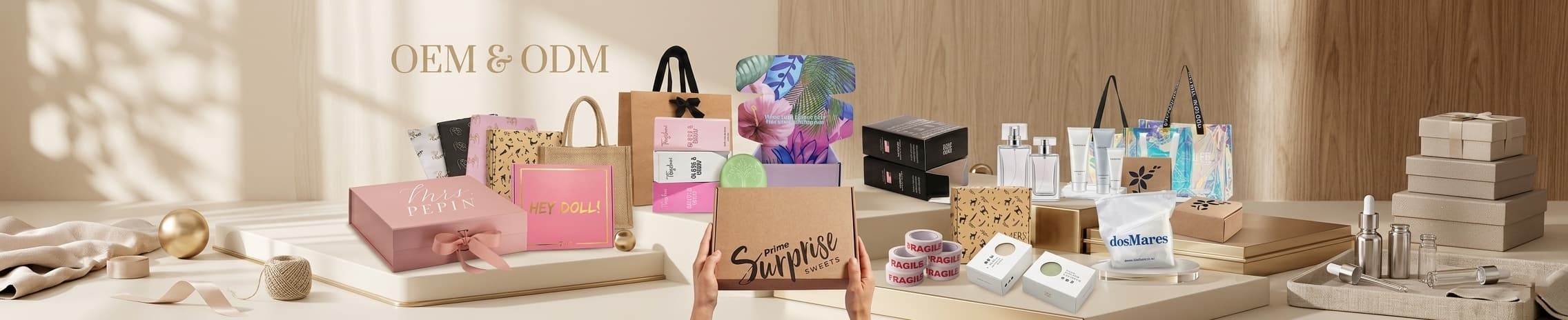

PackTaki is a packaging brand to help customer success. With more than 10 years of experience in printing and making, Specialized in producing and designing customized packaging products.
You just opened a return: a shattered candle jar that cost you time, product, and a customer's trust. Another buyer posts a photo of your plain brown boxes, underwhelmed. How do you choose a candle box that protects your creation, communicates your brand, and fits your budget?
The right candle packaging prevents damage, builds confidence, and elevates your brand. Evaluate several factors carefully. A close fit stops movement during transit. Material strength determines durability.
Box styles affect protection and unboxing experience. Consider a premium branded candle gift paper box for luxury positioning. Alternatively, a recyclable cube candle packaging box appeals to eco-conscious shoppers. Your packaging design should reflect your values while securing each candle safely.
Remember, fragile candles need sturdy protection, especially glass containers. Quality packaging prevents costly returns. Reliable packaging simplifies shipping. Candles arrive safely with proper boxes.
Key Takeaways
-
Measure your candle and choose a box that fits snugly to prevent damage.
-
Select materials based on your candle's weight and fragility.
-
Use inserts for glass candles to keep them stable and safe.
-
Customize your packaging to reflect your brand and delight customers.
-
Balance cost with safety standards to avoid returns and build trust.
Assess Your Candle Packaging Needs
Before choosing any box, evaluate your candle through candle packaging assessment. Every candle has unique dimensions, weight, and fragility. Your packaging choice begins with understanding these factors. Start by measuring its height, diameter, and weight. You also need to assess the container material. Glass jars need different handling than metal tins or ceramic vessels. This assessment prevents costly mistakes.
Best Packaging for Candles: Fit and Protection
A close fit ranks as the most critical factor in candle packaging. When a box leaves empty space, the candle shifts during transit. This leads to broken jars and customer complaints. The unboxing experience directly impacts satisfaction and brand loyalty. Well-designed boxes create memorable moments. A positive unboxing generates social media sharing, free marketing, and reinforces the customer's emotional bond with your brand. Aesthetic design creates an emotional connection. Customers perceive the candle as premium, increasing satisfaction. Sustainability aligns with eco-conscious values. Functional designs with secure closures reduce complaints. Consistent branding through your boxes builds trust. The right fit delivers quality customers notice.
The optimal shipping architecture relies on a strict dimensional offset protocol. Instead of sizing the exterior box directly against the glass, the interior dimensions are mathematically expanded to integrate a custom die-cut paperboard insert. This explicitly suspends the fragile primary container with a minimum 0.125 inches (3.17 mm) physical clearance from all outer walls to prevent movement and absorb kinetic shock during transit.
This tolerance means your candle box must hold it securely. Test different insert designs. A die-cut paperboard insert works for standard shapes. Foam inserts cushion heavier items. Molded pulp offers an eco-friendly alternative. The material affects protection and sustainability.
Evaluating Size, Shape, and Fragility
Measure your candle precisely. Record the diameter, height, and base width. Note any tapered sections or decorative elements. These measurements determine the interior dimensions required. A wider base needs a box that accommodates that width without gaps.
Fragility assessment matters most for glass containers. Glass can shatter on impact. Heavier containers require stronger material and thicker walls. Consider the filling weight of soy wax, paraffin, or beeswax. A full jar weighs substantially more than an empty one.
For glass candles, you need extra care. The proper packaging for these fragile items includes reinforced corners and additional cushioning. You might choose a premium branded candle gift paper box for luxury items. This option presents your product as a gift-quality piece. Alternatively, a recyclable cube candle packaging box appeals to eco-conscious shoppers. You must still ensure the internal fit meets the recommended clearance. The outer material does not replace the need for proper internal support.
Each product size might require a different box style. A straight box works for standard cylinder shapes. A sleeve box allows easy opening. A rigid box provides maximum protection for heavy glass containers. Order samples and test the fit yourself. Place it inside. Shake the box gently. If you hear or feel movement, you need adjustments. The right fit leaves no room for shifting but allows easy removal.
Select the Best Candle Box Materials
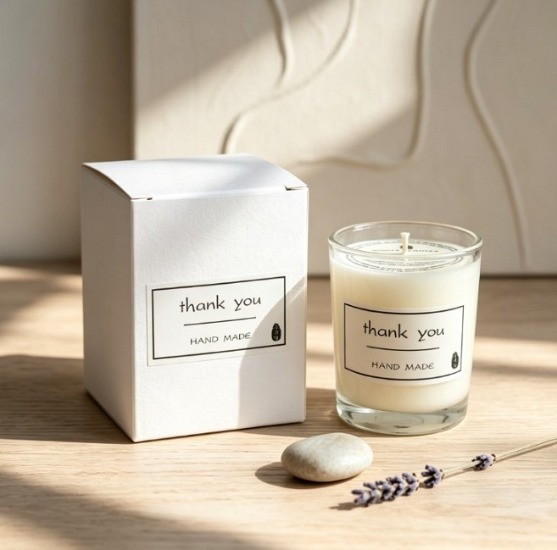
The material you choose determines how well your product survives shipping. Strong packaging starts with the right substrate. Each material offers different strengths, costs, and aesthetic qualities.
Cardboard, Corrugated, and Rigid Options
Standard cardboard works well for lightweight candles. A typical cardboard type holds up to 20 pounds. This makes it suitable for single candles in metal tins. Cardboard offers a smooth surface for printing your brand design. However, it provides limited impact resistance. You need additional padding for glass containers.
Corrugated options provide significantly more protection. Single-walled corrugated handles up to 80 pounds. Double-walled corrugated supports 60 to 150 pounds. Triple-walled corrugated manages up to 300 pounds. The fluted layer absorbs shock during transit. For most businesses, single-walled corrugated offers the best balance of protection and cost.
Rigid options represent the premium choice. These use thick, dense paperboard that does not fold. They cost more per unit than cardboard. For heavy glass jars, rigid materials provide structural integrity. A premium branded candle gift paper box communicates luxury from the moment a customer opens it.
Consider the cost implications. Recyclable kraft options represent the most affordable choice. They have a low upfront cost but may require additional padding for fragile items. Rigid two-piece options carry premium pricing per unit. This significantly higher cost offers durability and a luxury feel. Custom sleeves and wraps provide a low-cost alternative for limited runs.
Eco-Friendly Choices for Sustainability
Sustainability matters to modern consumers. Eco-friendly candle packaging materials reduce environmental impact. Many suppliers now offer recycled alternatives.
Recycled cardboard and corrugated options work well. These materials use post-consumer waste fibers. They perform similarly to virgin materials. Many suppliers offer candle boxes recyclable as standard. A recyclable cube candle packaging box appeals to eco-conscious shoppers.
Innovative materials push sustainability further. Mushroom materials cost 30 to 50 percent more than conventional foam. This premium can offset by marketing the candle product as luxury eco-friendly. Cork options also cost 30 to 50 percent more than standard cardboard. Its durability and natural insulation make it suitable for protecting candles.
Palm leaf options offer a more budget-friendly choice. They cost only 15 to 30 percent more than traditional disposable choices. This moderate price increase allows small businesses to reduce environmental impact.
When you choose eco-friendly candle packaging materials, you align your brand with environmental values. Customers notice this commitment. The best container reflects both quality and care.
Choose the Right Candle Box Styles
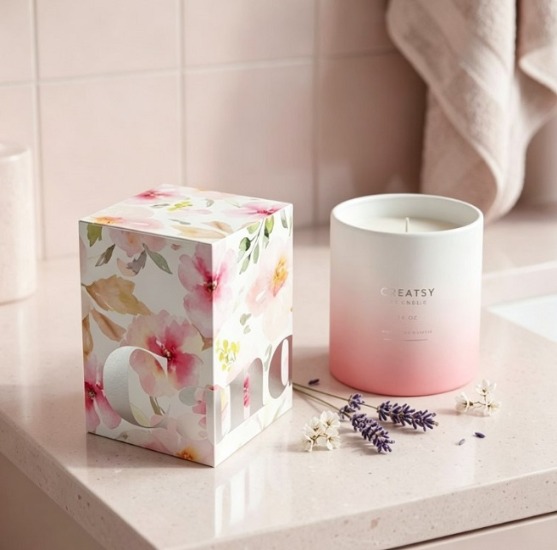
The style of your box shapes the unboxing experience. Different candle box styles offer distinct benefits. You need to match the style to your candle's weight, fragility, and brand image. The most popular candle box styles include the straight tuck box, sleeve box, and rigid box. Each serves a different purpose in your overall packaging strategy.
Straight, Sleeve, and Rigid Boxes
A straight tuck box uses folded flaps that close the container. These folding cartons cost $0.10 to $2.00 per unit. A straight tuck box suits lighter candles in metal tins. This candle packaging option offers cost-effective production.
A sleeve box includes an inner tray and an outer sleeve. This style creates an interactive reveal. Your customer slides the sleeve off to access the candle. The engagement builds anticipation. The table below compares the unboxing experiences.
|
Packaging Style |
Unboxing Experience |
|---|---|
|
Sleeve box (inner tray + outer sleeve) |
Interactive – requires sliding the sleeve off, engaging the user in the reveal process. |
|
Two-piece rigid box (separate base + lid) |
Memorable – lifting the lid creates a classic, premium reveal, often associated with luxury gifts. |
A rigid box represents the premium tier. This setup box costs $1.50 to $15.00 or more per unit. The thick material exudes strength and luxury. Brands choose rigid options for gift candles or subscription programs. Magnetic closure boxes use a snap-lock mechanism. A two-piece box creates a classic reveal. A premium branded candle gift paper box communicates luxury from the first touch.
For eco-conscious lines, a recyclable cube candle packaging box offers a sustainable choice. This style uses lighter construction but provides adequate protection with proper inserts. The design should match your brand values while securing the product. Proper packaging protects fragile glass candles.
Testing Fit for a Secure Hold
After selecting a candle box style, test the fit. Place your candle inside the closed container. Shake it gently. If you hear movement, the box needs adjustment. A secure hold prevents shifting during transit.
You should consider the style, construction, and finish together. A rigid box with thin inserts allows movement while a sleeve box with thick padding protects well. The combination matters more than any single element.
An insert-equipped box allows custom foam, molded pulp, or die-cut inserts. These tailor the interior to your candle's exact dimensions. Order samples before committing. Test each style with your specific product. The best box holds your candle snugly without damaging it during removal.
Optimize Glass Candle Packaging
Glass candles demand the highest level of protection during transit. A rigid box combined with tailored inserts offers the best defense against impact damage. This combination prevents costly breakage and customer complaints.
Using Inserts for Stability
Begin with a thorough container inspection. Check the glass vessel for cracks or chips before packing. Verify the lid fits securely. A flawed container will fail regardless of your packaging quality.
Select a corrugated box strong enough for transit pressure. Double-wall construction suits heavier candles. Leave room for cushioning, but avoid excess empty space. Apply a base layer of cushioning at the bottom. Center the wrapped candle, then fill all sides and the top. The glass must never touch the box walls.
Perform a movement check after adding cushioning. Shake the box gently. If the candle shifts, add more filler. Seal the box with strong packing tape along center seams. Reinforce edges and corners for heavier packages. Attach a clear shipping label. Add "Fragile" or "Handle With Care" labels. Include a heat-sensitivity note for warm weather shipping.
Tailored Inserts: Foam, Molded Pulp, and Die-Cut
Your insert choice determines how well your glass candle packaging absorbs shock. Foam inserts from high-density polyurethane cushion against impacts. They maintain shape over time and prevent jars from touching each other. This material reduces shipping damage by up to 95% compared to standard packaging.
Molded pulp inserts prevent movement inside the box. They absorb shock effectively while remaining fully recyclable. Kraft honeycomb paper wraps jars securely and supports heavier vessels. Shredded recycled fiber provides strong cushioning. All these options are plastic-free and maintain structural integrity during shipping.
Customize inserts for a perfect fit. Measure your candle's exact dimensions. Request samples from your supplier. Test each insert with your specific product. A premium branded candle gift paper box with custom foam inserts combines substantial unboxing feel with effective cushioning. For eco-conscious lines, a recyclable cube candle packaging box with molded pulp inserts offers sustainable protection.
Your candle packaging design should integrate the box style, material, and insert as one system. The right combination protects your product and elevates your brand. Shipping glass candles safely requires this thoughtful approach to every layer.
Align Brand Identity with Customization
Your candle packaging serves as a physical extension of your brand story. Every visual choice communicates something about your values and quality standards. The right design transforms a simple container into a memorable brand moment. Customers who experience thoughtful packaging remember your company long after the candle burns down.
Design Elements and Printing Options
Printing techniques elevate ordinary boxes into premium experiences. Foil stamping adds metallic shine that catches light and attention. Spot UV creates contrast between matte and glossy surfaces. Embossing and debossing add tactile dimension that invites touch.
These finishing options work together to make candle packaging look luxurious without excessive cost.
Matte lamination paired with spot UV remains a popular combination. This pairing delivers sophistication through texture contrast. Soft touch lamination offers a velvety surface that feels expensive in hand. Each finish choice affects how customers perceive your product's value. Consider your brand personality when selecting these options. A minimalist brand might prefer blind embossing without color. A bold brand could layer holographic foiling for maximum impact.
Your choice of box style, material, and finish should happen together. These elements form one cohesive system. A rigid box with matte finish communicates permanence and luxury. A lightweight sleeve with gloss finish suggests modern simplicity. The combination determines the complete customer experience.
Customizing Inside and Out for Branding
Full customization extends beyond exterior surfaces. Quality suppliers offer printing on all sides, including the interior. Inside printing costs extra but delivers substantial brand impact. When customers open your box, they encounter your story again. This hidden detail signals care and attention that builds trust.
According to industry research, 40% of shoppers are more likely to share packaging on social media when it feels premium. This organic sharing extends your reach without advertising costs. Photo-worthy designs turn customers into brand advocates. Each shared image introduces your candles to potential new buyers.
Consider these customization opportunities for your retail packaging:
-
Layered textures and inner printing create positive emotions that strengthen brand association
-
Small touches like handwritten notes or scent cards make customers feel valued
-
Branded shipping boxes build anticipation before the unboxing begins
-
Photo-friendly designs encourage social sharing and word-of-mouth growth
Window candle boxes offer a unique customization angle. These designs let customers glimpse the candle before opening. A clear window showcases your product's color and texture. This transparency builds confidence in your quality. Window candle boxes work especially well for retail shelves where visual appeal drives purchases.
Standard custom candle boxes typically require minimum orders from 50 units. Specialty rigid formats start at 100 units. Foil stamping often carries no minimum when offered as an add-on option. These thresholds make customization accessible for growing brands. You can test designs without committing to massive inventory.
Your retail packaging should reflect the same care you pour into each candle. A premium branded candle gift paper box positions your product as gift-worthy. A recyclable cube candle packaging box communicates environmental responsibility. Both options strengthen brand identity when customized thoughtfully. The unboxing experience becomes part of your product itself.
Balance Cost and Compliance
Budget realities and shipping regulations shape your final packaging decision. You cannot separate these factors from the creative choices you make earlier. A beautiful box that fails safety standards costs you more in returns than you save in production. Likewise, a compliant box that ignores your brand image misses the marketing opportunity entirely.
Pricing and Minimum Order Quantities
Custom packaging requires upfront commitment through minimum order quantities. Different box styles carry different MOQ thresholds. You should match your order size to your actual sales volume rather than overcommitting to inventory you cannot store.
|
Candle Box Type |
Typical MOQ Range |
|---|---|
|
Tuck Top Boxes |
50–250 units |
|
Magnetic Closure Boxes |
200–500 units |
|
Two-Piece Boxes |
250–500 units |
|
Candle Shipping Boxes |
Start at 50–100 units |
|
Display Boxes |
100–500 units |
Large-scale manufacturers often set higher MOQs of 500–1,000 units. Smaller boutique suppliers may accept lower MOQs from 50–250 units. A premium branded candle gift paper box typically starts at 100 units for rigid formats. A recyclable cube candle packaging box offers a more accessible entry point from 50 units.
Hidden costs extend beyond the per-unit price. Shipping fees add weight to your total expense. Storage space for bulk orders occupies valuable room. Consider these factors when calculating your true packaging cost. A lower per-unit price with high shipping charges may cost more than a slightly pricier local supplier.
Shipping and Safety Standards
Regulatory compliance protects your customers and your business reputation. The USPS maintains specific requirements for shipping glass candles. Your packaging must meet these standards before you send your first order.
For candles with flashpoint above 140°F up to 200°F, follow these rules:
-
Absorbent and cushioning material must surround primary receptacles to prevent breakage and absorb leakage
-
Outer packaging must bear an approved DOT Limited Quantity surface mark for surface transport
-
Air transport requires additional labels including the DOT Limited Quantity air mark, Class 9 label, ID8000, and proper shipping name "Consumer Commodity"
-
A complete return and delivery address is required
Candles with flashpoint above 200°F do not face hazardous material regulations. They still require absorbent cushioning, sturdy primary receptacles, secondary packaging, and strong outer packaging. Labels and markings must appear on the address side of the mailpiece.
ASTM F2179 – Standard Specification for Annealed Soda-Lime-Silicate Glass Containers That Are Produced for Use as Candle Containers is listed by the CPSC as a voluntary industry consensus standard for candle containers. This standard addresses structural and thermal properties that prevent breakage in transit.
The USPS recommends leaving at least two inches of cushioning between the item and the box walls. Include "Fragile" labels to protect the package. Choose a box that fits snugly so candles do not move when shaken. This proper packaging approach applies whether you ship one candle or a full retail packaging line. Your candle packaging design must balance these safety requirements with your aesthetic vision. Quality packaging meets both regulatory standards and customer expectations. When you package candles for shipping, remember that shipping glass candles demands this layered approach to protection.
Source a Reliable Supplier
Your packaging vision only becomes reality through a capable partner. The right supplier delivers consistent quality, meets deadlines, and helps you avoid costly mistakes. Finding that partner requires deliberate evaluation rather than a simple price comparison.
Qualities to Look For
Start your search by examining certifications. A supplier who holds FSC certification demonstrates a commitment to responsible sourcing. This certification confirms the packaging material comes from managed forests. You can verify this claim by requesting their certificate number and checking it against the FSC database. Many reputable manufacturers display this credential prominently.
Look for suppliers who specialize in candle packaging specifically. They understand the unique demands of shipping fragile glass containers. Their portfolio should show examples of rigid boxes, custom inserts, and protective structures. Ask about their experience with different material types. A supplier who works with rigid cardboard, kraft cardboard, and corrugated options offers you flexibility for various product lines.
Evaluate their manufacturing processes. ISO 9001 certification indicates structured quality management. ISO 14001 demonstrates environmental responsibility. These credentials matter because they reflect consistent production standards. A supplier with these certifications follows documented procedures rather than relying on inconsistent practices.
Request physical samples before committing. Test these samples under real conditions. Place your candle inside and shake the box. Check for warping under temperature variations. Examine the finishing quality of foil stamping and debossing. A premium branded candle gift paper box should feel substantial in hand. A recyclable cube candle packaging box should maintain structural integrity despite lighter construction.
Key Questions to Ask
Prepare a structured vetting checklist before contacting suppliers. Your questions should cover packaging engineering, transit protection, and export logistics. Request detailed specifications including packaging dimensions, material specifications, insert structure, and carton quantity. Confirm gross and net carton weights, carton dimensions, drop-test methods, and pallet-loading plans.
Ask about their export capabilities. A reliable supplier prepares commercial invoices, packing lists, certificates of origin, and customs information. They communicate clearly in business English and coordinate with your freight forwarder. They support third-party inspections when you request them.
Clarify lead times early in your conversation. Production timelines vary significantly by box style. Folding cartons require 10–15 business days. Rigid setup boxes need 18–25 business days. Magnetic closure boxes take 20–28 business days. Custom paper tubes require 15–20 business days. Kraft cardboard boxes finish in 10–14 business days. Add shipping time to these production estimates. Sea freight from China to North America takes 18–22 days. Air freight takes 5–7 days. Your total elapsed time from inquiry to delivery ranges from 35–55 days.
Define your non-negotiables upfront. State your minimum order quantity, required lead time, and compliance needs. Confirm whether the supplier owns the tooling dies or if you retain ownership. Run a pilot production of around 500 units before scaling up. This trial reveals real-world issues that samples cannot show. Your retail packaging deserves this level of scrutiny.
Start by assessing your candle's unique needs. Each candle deserves careful measurement before selecting any packaging. Choose material that matches your product's weight and shipping needs. Select boxes that protect while reflecting your brand. For glass candles, add tailored inserts for stability. These candles need extra cushioning. Align your design with customization options that strengthen brand identity. Balance cost against compliance standards.
The best packaging combines protection, brand reflection, and budget. Use the checklist above. Test samples before committing to large orders. A premium branded candle gift paper box may suit luxury lines. A recyclable cube candle packaging box appeals to eco-conscious customers. Your retail packaging decisions shape customer perceptions.
With the right packaging, your candles will arrive safely and create a memorable unboxing experience that turns first-time buyers into loyal customers.
FAQ
What box type protects glass candles best?
A rigid box with a tailored insert offers the strongest protection. Foam, molded pulp, or die-cut inserts prevent movement. This design absorbs shock during transit. Choose quality materials for safety.
How do I test box fit for candles?
Place the candle inside the closed box. Shake it gently. If you hear movement, adjust the fit. Add more cushioning or select a smaller size. A snug hold prevents damage.
Can eco-friendly packaging protect fragile candle jars?
Yes. A recyclable cube candle packaging box with molded pulp inserts provides strong cushioning. This option protects candles effectively while reducing environmental impact. Choose quality inserts for stability.
What packaging works for small candle businesses?
Start with stock options or low-MOQ custom packaging. A premium branded candle gift paper box suits luxury lines. A recyclable cube candle packaging box offers an affordable sustainable choice.
Do I need different containers for shipping and retail?
Shipping boxes need stronger material. Retail boxes focus on unboxing experience. Many brands use a shipping box outside a retail box for complete protection.