
 English
 Français
 Español



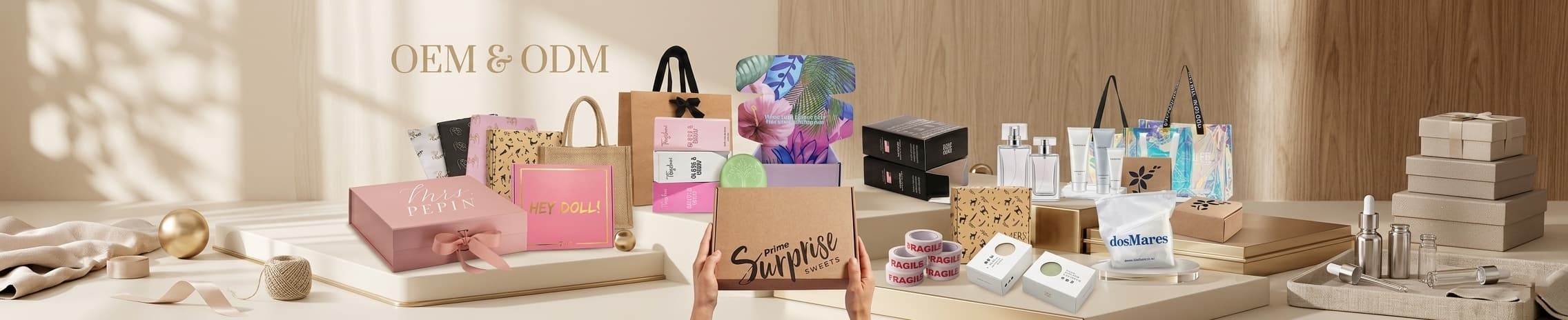

PackTaki is a packaging brand to help customer success. With more than 10 years of experience in printing and making, Specialized in producing and designing customized packaging products.
Choose matte for a soft, sophisticated look; choose glossy for vibrant, high-impact shine. Deciding between matte and glossy packaging finishes can feel overwhelming, yet it doesn't have to. This guide offers three simple, practical ways to make the right choice for your product.
Research confirms that thoughtful design details elevate brand perception. High-quality materials suggest a premium product, warranting a higher price point and building consumer trust. The finish you select communicates this value instantly.
These methods draw from industry experience at PACKTAKI, a trusted name in custom packaging. You will learn to match finishes to your brand's personality, compare visual impact, and weigh practical costs.
Key Takeaways
-
A matte finish signals quiet elegance and luxury for premium products.
-
A glossy finish boosts color vibrancy and grabs attention on retail shelves.
-
Gloss lamination resists scratches and moisture better than matte.
-
Matte finishes cost more due to specialized lamination and materials.
-
Test physical samples of both finishes to make the final decision.
Match Finish to Your Product's Personality
Define Your Brand's Visual Voice
Your choice between matte and glossy packaging finishes communicates your brand identity instantly. This decision shapes your visual voice and retail appearance. The right finish aligns your design with your core values.
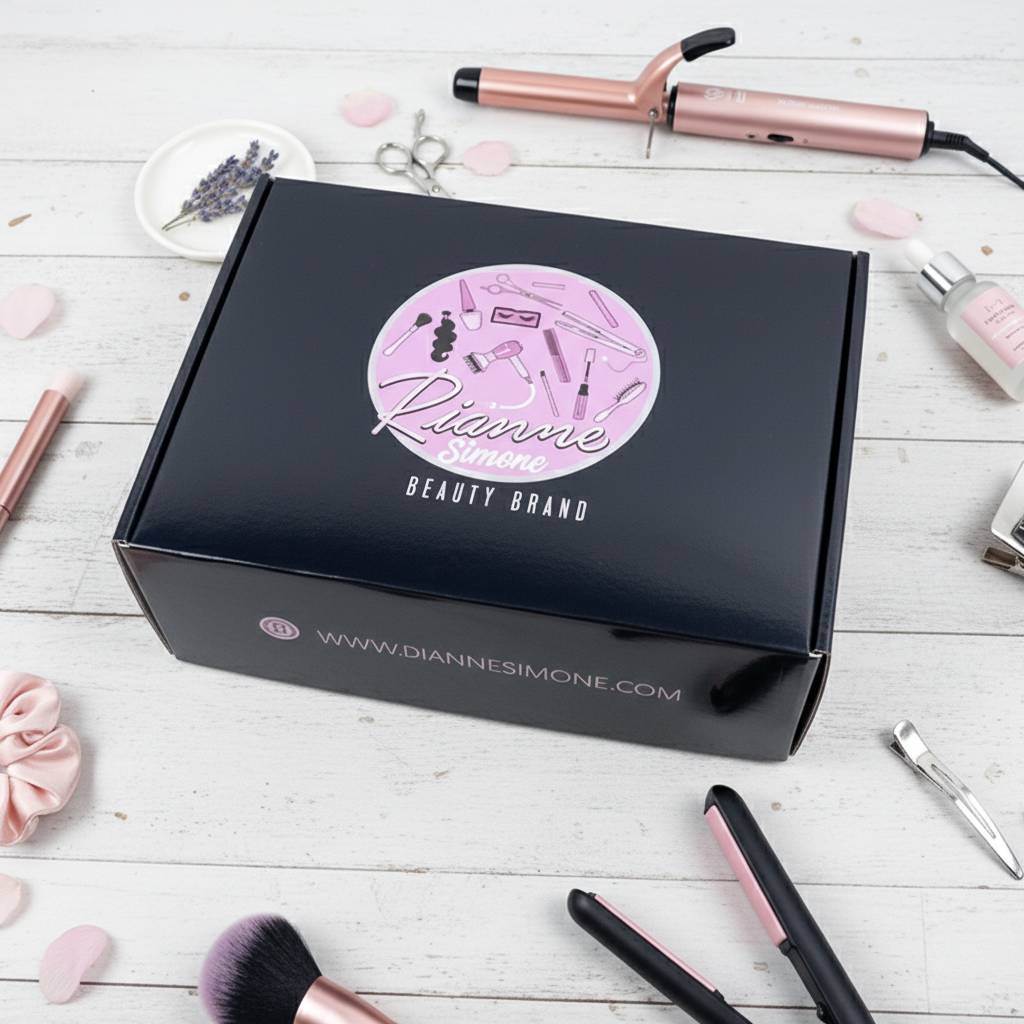
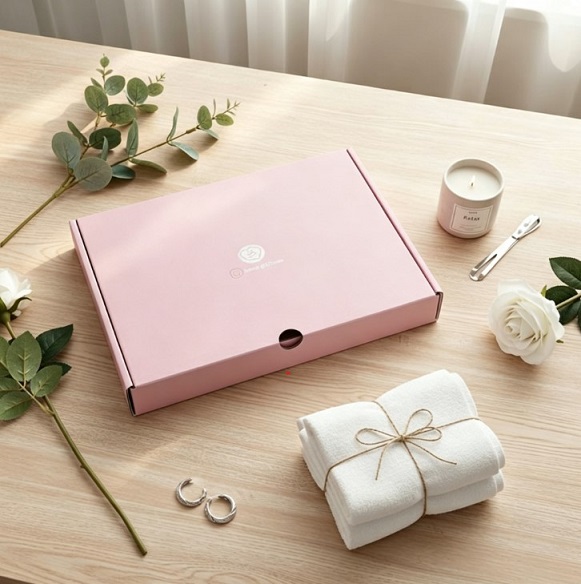
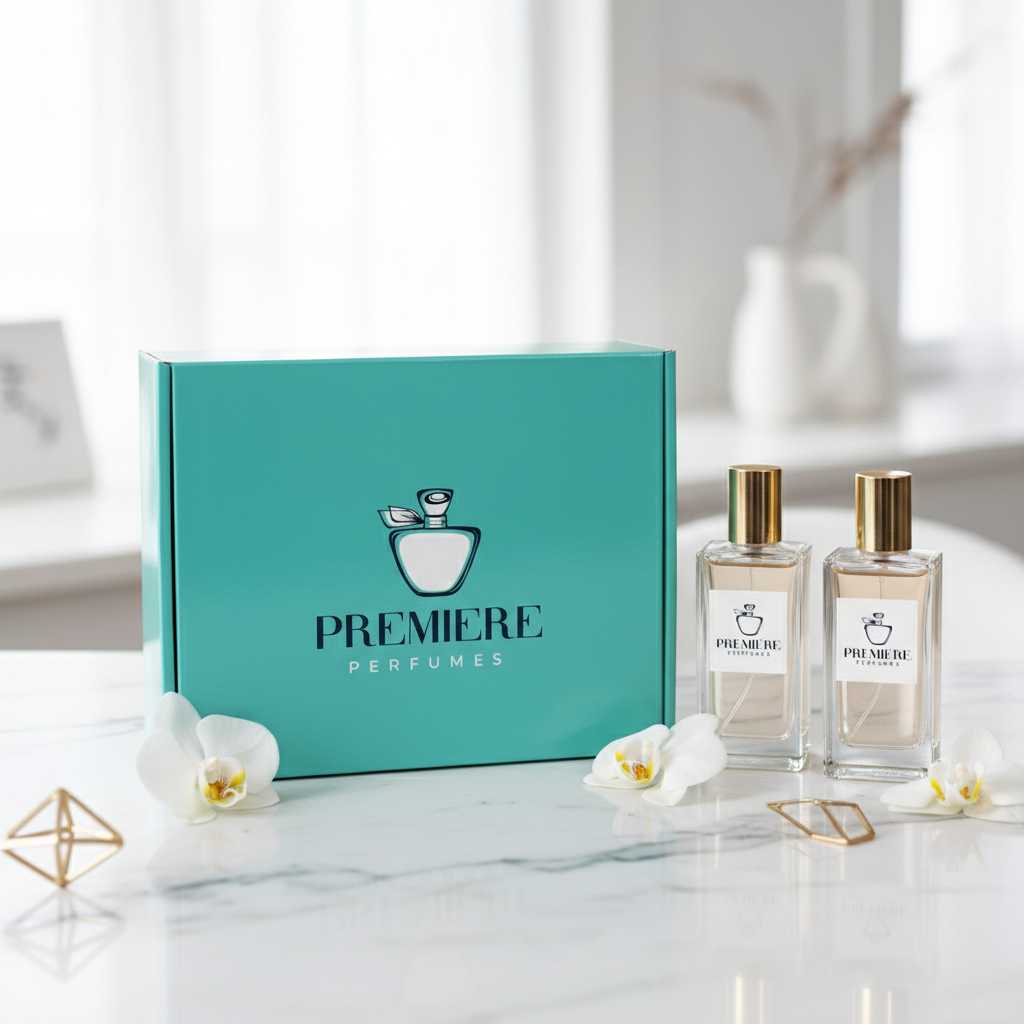
A matte finish creates a subtle, non-reflective effect. It absorbs light instead of reflecting it. This quality suits luxury or minimalist brands. In luxury packaging, matte surfaces outperform gloss in consumer preference studies. They convey sophistication and restraint. Häagen-Dazs uses matte boxes with metallic accents to elevate everyday ice cream into premium packaging. The high-end appearance signals indulgence without being flashy. For a minimalist skincare line, custom matte surface paper boxes create the right sophisticated feel.
A glossy finish creates a vibrant appearance. It adds reflective shine that feels energetic and approachable. Consumer-friendly brands choose a gloss finish to reflect this energy. The visual impact makes colors appear richer, catching attention in retail settings. Research shows that 69% of consumers make unplanned purchases due to attention-grabbing packaging.
Here is a practical rule: If your brand is about quiet elegance, choose matte. If it is about bold energy, choose glossy.
Understand Your Target Audience's Expectations
Your audience preferences guide your choice. Different demographics respond differently to each surface.
Research shows that 63% of consumers prefer matte for premium products. Millennials especially favor matte for premium feel. In high-end packaging for skincare, consumers expect tactile finishes. These expectations shape your design decisions.
Younger audiences respond well to glossy packaging. A study found that 55% of consumers associate glossy surfaces with higher quality. Understanding your target demographic helps you match your finish to their expectations.
Compare Matte Finish vs. Glossy Finish Impact
Evaluate Color Vibrancy and Light Reflection
A glossy finish transforms how shoppers perceive your colors. The gloss surface reflects ambient light directly back to the eye, intensifying the printed hues. Research confirms that objects appear darker and more saturated as glossiness increases. This effect works especially well for bold colors like deep purples or rich reds. When you place a glossy packaging box under retail spotlights, the design pops with energy. Logos and product images look sharper, more dynamic, and impossible to ignore.
Matte finish takes the opposite approach. The matte surface uses a micro-textured layer that scatters light rather than reflecting it. This diffusion softens the visual impact and reduces glare. For typography-focused layouts, this quality proves valuable. Small text remains legible under bright directional lighting because no reflection obscures the words. However, the technical trade-off involves color reproduction. The porous nature of matte paper absorbs ink into its fibers, producing softer, more muted tones. You cannot achieve the same saturation level as you would with a gloss coating.
Consider your retail environment carefully. Under dim lighting conditions, glossy packaging outperforms matte in shelf pop because the gloss finish boosts color saturation when ambient light is scarce. A glossy finish also captures attention more immediately than matte, making it ideal for crowded shelves.
For maximum shelf pop under bright lights, choose gloss. For a tactile, glare-free experience, choose matte.
Assess Tactile Feel and Practical Handling
The sensory experience of your packaging extends beyond sight. Soft-touch matte lamination produces a velvety, peach-skin texture that feels smooth and almost rubber-like in hand. This tactile layer enhances the premium perception of your product. Gloss lamination, by contrast, offers a slick, glass-like surface that feels functional and familiar.
Practical handling reveals another distinction. Glossy surfaces naturally repel skin oils, resisting fingerprints and smudges during repeated handling. Matte finishes hide smudges well but absorb oils without a protective coating. More importantly, matte textures increase micro-friction during transit. The surface acts like a fine abrasive pad against neighboring units, leading to visible scuffs over time. High-gloss coatings reduce the coefficient of friction and increase surface hardness, making them highly resistant to scratching.
|
Finish |
Tactile Description |
Handling Consideration |
|---|---|---|
|
Soft Touch Matte |
Velvety, peach-skin texture |
Hides smudges; prone to scuffs |
|
Gloss |
Slick, glass-like smoothness |
Resists fingerprints; scratch-resistant |
Your choice between matte and glossy packaging finishes ultimately depends on your priorities. If you want a memorable tactile experience that signals luxury, choose matte. If you need durability through shipping and handling, choose gloss. PACKTAKI offers physical samples of both finishes so you can test the feel and appearance before committing to production.
Weigh Cost and Durability for Your Packaging
Analyze Production Costs and Budget Constraints
Your budget plays a decisive role in choosing between matte and glossy packaging finishes. Gloss finish generally costs less and requires less production time. A standard single-pass coating applies quickly on existing equipment. This efficiency keeps unit prices low, especially for large orders. Many brands choose gloss for this economic advantage alone.
Matte finish, particularly soft-touch lamination, demands a different cost structure. Several factors drive the price higher:
-
Material cost: Soft-touch lamination requires a specialized film layer, adding direct material expense compared to liquid chemical coatings.
-
Equipment cost: The heat-bonding process needs dedicated lamination machinery, increasing capital and operational costs.
-
Labor cost: The lamination stage adds an extra application step, raising labor expenses per unit.
-
Scale sensitivity: These increases hit short-run projects hardest, since fixed setup costs cannot spread across large volumes.
If you order custom matte surface paper boxes for a limited product launch, expect a higher per-unit price. A glossy packaging box for the same quantity will cost noticeably less. For budget-conscious brands, gloss offers the practical path. For those seeking a premium feel with room to invest, matte justifies the expense. PACKTAKI helps you balance cost and quality across both options.
Consider Long-Term Durability and Protection
Durability affects your packaging performance long after production. Gloss lamination creates a hard, protective barrier that seals the printed surface. This layer resists scratches, smudges, and fingerprints during handling. The laminated film also adds moisture resistance, which matters for snacks or products exposed to wet environments. Gloss coating keeps your design vibrant and intact through shipping, storage, and retail display.
Matte lamination offers a different durability profile. The matte surface hides fingerprints and smudges effectively, maintaining a clean appearance during handling. However, matte finishes show scuffs more readily over time. The texture increases micro-friction during transit, which can dull the surface with repeated contact. Matte also provides less water resistance than gloss.
|
Durability Aspect |
Matte Lamination |
Gloss Lamination |
|---|---|---|
|
Fingerprint visibility |
Hides smudges well |
Shows fingerprints easily |
|
Scratch resistance |
More susceptible to scuffs |
More scratch-resistant |
|
Moisture protection |
Lower water resistance |
Higher water resistance |
|
Long-term appearance |
May dull over time |
Maintains protective properties longer |
Consider your product's journey. If your packaging faces frequent handling or humid conditions, gloss lamination offers superior protection. If your design prioritizes a soft-touch luxury aesthetic and you control the supply chain carefully, matte delivers an unmatched tactile experience. The right choice balances your visual goals with practical realities. Test both finishes with PACKTAKI samples to see which one meets your durability standards.
Your well-informed choice between matte and glossy packaging finishes depends on three simple ways from this guide. First, match the finish to your product personality. A matte finish communicates sophistication for premium brands and luxury packaging. Second, compare the visual and tactile impact. Gloss finish boosts vibrancy for retail shelves. Glossy finish adds powerful visual impact. Consider durability and handling carefully. The appearance tells your brand story immediately. Third, weigh cost against your goals. Matte lamination creates tactile luxury.
Your design makes the final difference. Remember the core rule: matte for subtle luxury, glossy for vibrant impact. Don't guess—test. Order physical samples of both finishes from PACKTAKI. The answer becomes clear when you hold them in your hands.
FAQ
Which finish creates a premium look?
Choose custom matte surface paper boxes for a premium appearance in luxury items. The soft surface signals sophistication without glare. You can rely on this finish for an elevated feel.
Does a gloss finish resist damage?
Yes. A glossy packaging box with a gloss finish offers strong durability in busy retail settings. The hard coating resists fingerprints and scratches. You can trust this layer to keep your design fresh.
How can you boost color vibrancy?
Use glossy coatings to maximize color vibrancy. The reflective surface enhances visual impact under store lights. You can apply this technique to bold product boxes.